Loading
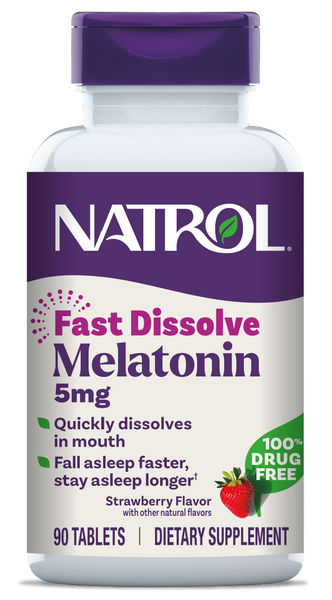
Natrol
Melatonin 5mg Time Release
Melatonin works for jet lag and shift work. But 5mg is 10x the physiologically relevant dose, and chronic use can suppress natural production. Overprescribed and underdiscussed.
62/ 100
Our Verdict
Overhyped
The low safety score reflects the oversized dose (5mg) that exceeds physiological relevance by 10x. Melatonin is not a sleep supplement in the traditional sense -- it is a circadian signal. Using 5mg nightly can dysregulate the circadian system. The product is cheap and melatonin 'works,' but the dose is a problem. Natrol is not alone in this -- the entire melatonin market is overdosed.
Key Findings
- 5mg is 10-16x the physiologically effective dose
- Chronic use can suppress endogenous melatonin production
- Melatonin is a circadian signal, not a sedative
- Effective for jet lag at 0.3-0.5mg -- this product drastically overshoots
Evidence Analysis
Melatonin has strong evidence for circadian rhythm disorders (jet lag, shift work) and moderate evidence for sleep onset latency reduction. However, the effective dose is 0.3-0.5mg -- ten times lower than this product. Doses above 1mg do not improve efficacy and may cause next-day grogginess, vivid dreams, and suppression of endogenous melatonin production. The time-release mechanism has limited evidence for superiority over immediate release.
Ingredient Breakdown
| Ingredient | Dose | Verdict |
|---|---|---|
| Melatonin | 5mg | Underdosed |
| Vitamin B6 | 10mg | Unnecessary |
True Cost Analysis
Underdosed -- You Need 3x Servings for Full Effect
Listed Price
$0.09/serving
$2.70/month at 1 serving/day
True Cost Per Effective Dose
3x$0.27/effective dose
$8.10/month for effective dosing
Why the true cost is higher
This product has 1 underdosed and 0 unknown-dose ingredients. To actually get clinically effective doses, you would need approximately 3 servings per day -- making your real cost $0.27 per effective dose instead of the listed $0.09.
57
Value Score
Decent value
Save $5.10/month (63%)
by switching to Natrol Melatonin 1mg
Where It Falls Short
5mg is 10-16x the effective physiological dose (0.3-0.5mg). Chronic use may suppress natural melatonin production. Time-release mechanism has limited evidence advantage. May cause next-day drowsiness and vivid dreams. Not addressing root causes of sleep issues.
Best For
- Short-term jet lag management (at lower doses -- cut tablet)
- Shift workers adjusting circadian rhythm temporarily
- Those who have confirmed low melatonin levels with a physician
Not Ideal For
- Nightly sleep aid use (dose too high, dependency risk)
- Anyone who has not tried sleep hygiene interventions first
- Children or adolescents (without medical guidance)
- Those seeking long-term sleep optimization
Overhyped
Overhyped
Hype Penalty: -2 pts
Evidence
72Safety
55Value
88Formulation
50Transparency
60Checking live scoring engine...
$8.99100 servings
$0.09 per servingBiorank may earn a commission from qualifying purchases. This does not influence our scores or rankings.
Higher-Scored Alternatives
Better-rated options in Sleep
Frequently Bought Together
Popular picks in Sleep