Loading
Search Products
Find the right supplement by name, category, score, or verdict. Every result is backed by our evidence-based ranking.
Score:to
141 products found
#1
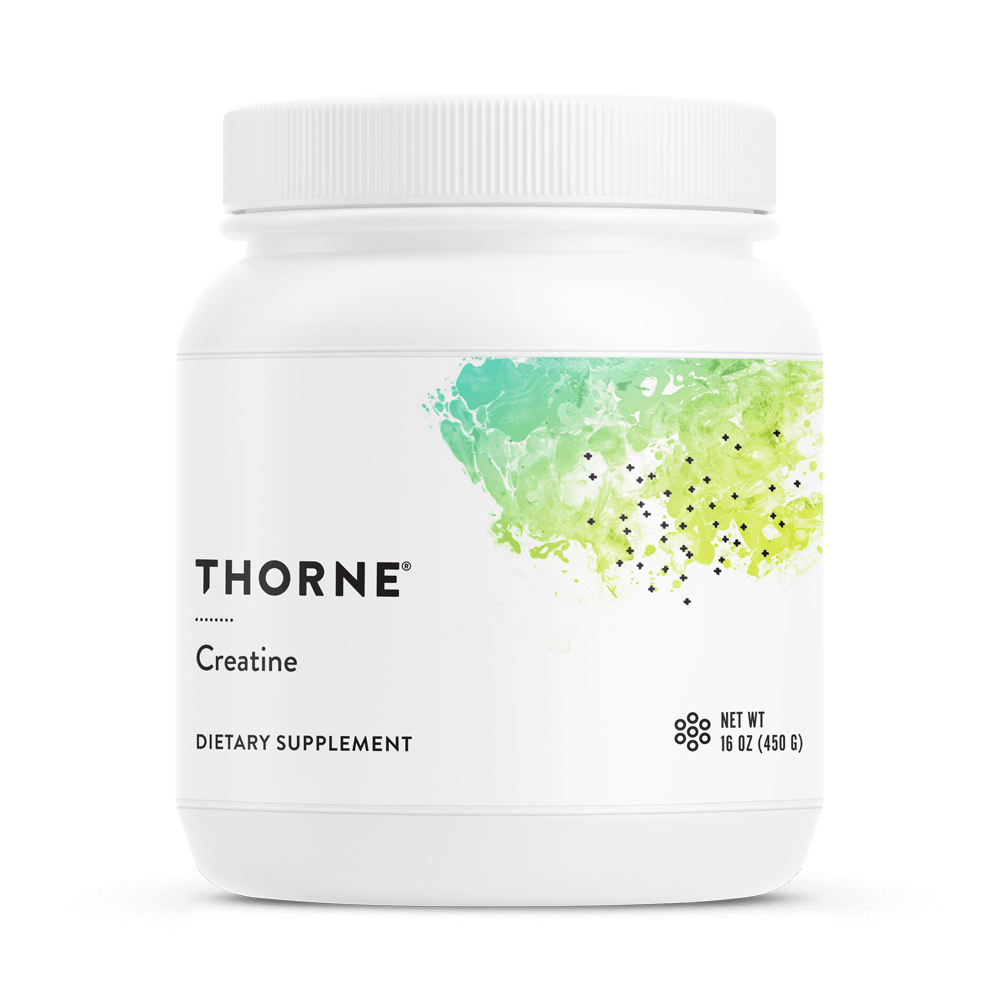
ThorneCreatine
Creatine Monohydrate
The gold standard. NSF Certified for Sport, pure creatine monohydrate at the clinically validated 5g dose. No fillers, no nonsense.
Best in Class$32.00
$0.36/dose
94
#2
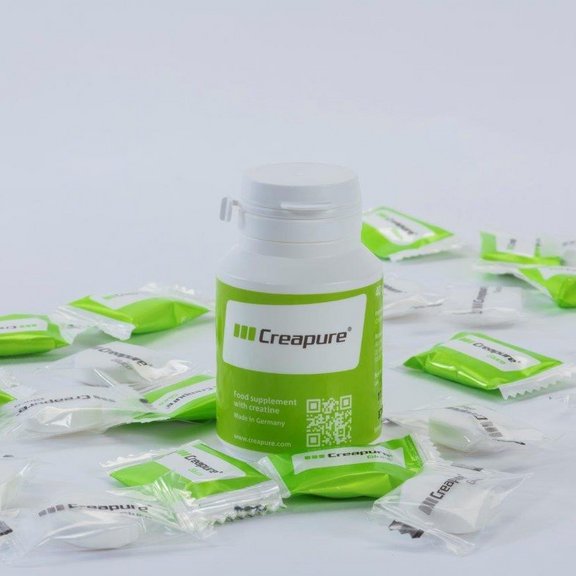
CreapureCreatine
Creatine Monohydrate (Creapure)
The source ingredient behind premium creatine products. Pharmaceutical-grade purity manufactured in Germany with rigorous testing standards.
Best in Class$24.99
$0.38/dose
92
#3

Nordic NaturalsOmega-3
Ultimate Omega
The benchmark omega-3 supplement. Third-party tested for purity, triglyceride form for superior absorption, and EPA/DHA doses that match clinical evidence.
Best in Class$28.00
$0.93/dose
91
#4

WHCOmega-3
UnoCardio 1000
Consistently ranked #1 by independent testing labs. The lowest oxidation levels, highest purity scores, and pharmaceutical-grade triglyceride form. The evidence-based omega-3 gold standard.
Best in Class$39.99
$0.67/dose
90
#5

MomentousCreatine
Creatine Monohydrate
NSF Certified for Sport creatine monohydrate at the clinically validated 5g dose. Momentous is the official supplement partner of major professional sports leagues, which means rigorous third-party testing. Premium priced but delivers pharmaceutical-grade purity.
Best in Class$45.00
$0.75/dose
90
#6
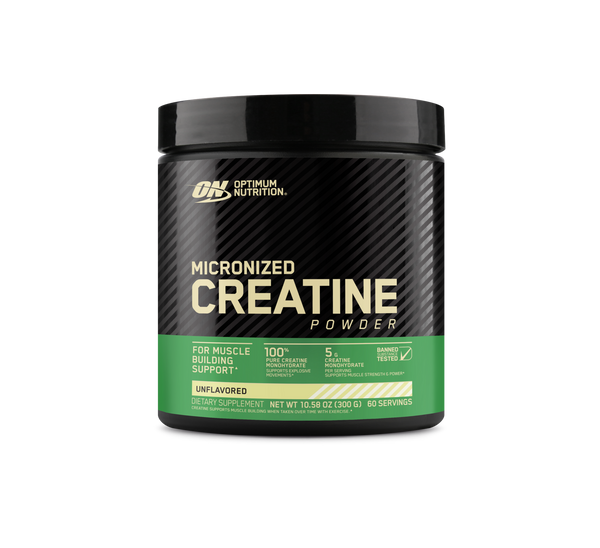
Optimum NutritionCreatine
Micronized Creatine Monohydrate
Micronized for mixability, clinically dosed at 5g, and a strong value proposition from a brand with decades of track record. One of the best all-around creatine picks.
Best in Class$21.99
$0.18/dose
89
#7

SkinCeuticalsBeauty & Skin
C E Ferulic
The most clinically validated vitamin C serum ever produced. The Duke Patent formulation (15% L-ascorbic acid + 1% vitamin E + 0.5% ferulic acid at pH 2.5-3.5) has specific peer-reviewed evidence showing 8x photoprotection and significant collagen stimulation. Expensive, but the evidence is genuinely unmatched.
Best in Class$182.00
$2.02/dose
89
#8

ThorneVitamins & Multis
Vitamin D3 5000 IU
The most well-studied supplement after creatine. Vitamin D deficiency affects an estimated 40-50% of adults worldwide. Thorne delivers the optimal D3 form at a clinical dose with no fillers, third-party tested.
Best in Class$16.00
$0.27/dose
89
#9

MomentousProtein
Grass-Fed Whey Protein
Premium whey isolate with an excellent amino acid profile. NSF Certified for Sport. The price is steep, but the quality is verifiable.
Best in Class$55.00
$2.20/dose
Hype penalty: -2 pts
88
#10

Carlson'sOmega-3
The Very Finest Fish Oil
A legacy fish oil brand that quietly delivers one of the best value propositions in omega-3. Liquid form provides excellent EPA/DHA per dollar with IFOS 5-star purity. No marketing hype, just quality.
Best in Class$25.99
$0.52/dose
88
#11

ThorneIron
Iron Bisglycinate
The best iron supplement available. Bisglycinate chelate form has strong clinical evidence for absorption and dramatically reduced GI side effects compared to ferrous sulfate. 25mg per capsule allows flexible dosing. NSF Certified for Sport.
Best in Class$16.00
$0.27/dose
88
#12

ThorneMagnesium
Magnesium Bisglycinate
NSF Certified for Sport chelated magnesium with excellent bioavailability. Thorne's bisglycinate delivers 200mg elemental magnesium per serving in a form that's gentle on the stomach, backed by strong absorption data, and produced under pharmaceutical-grade manufacturing standards.
Best in Class$28.00
$0.47/dose
88
#13
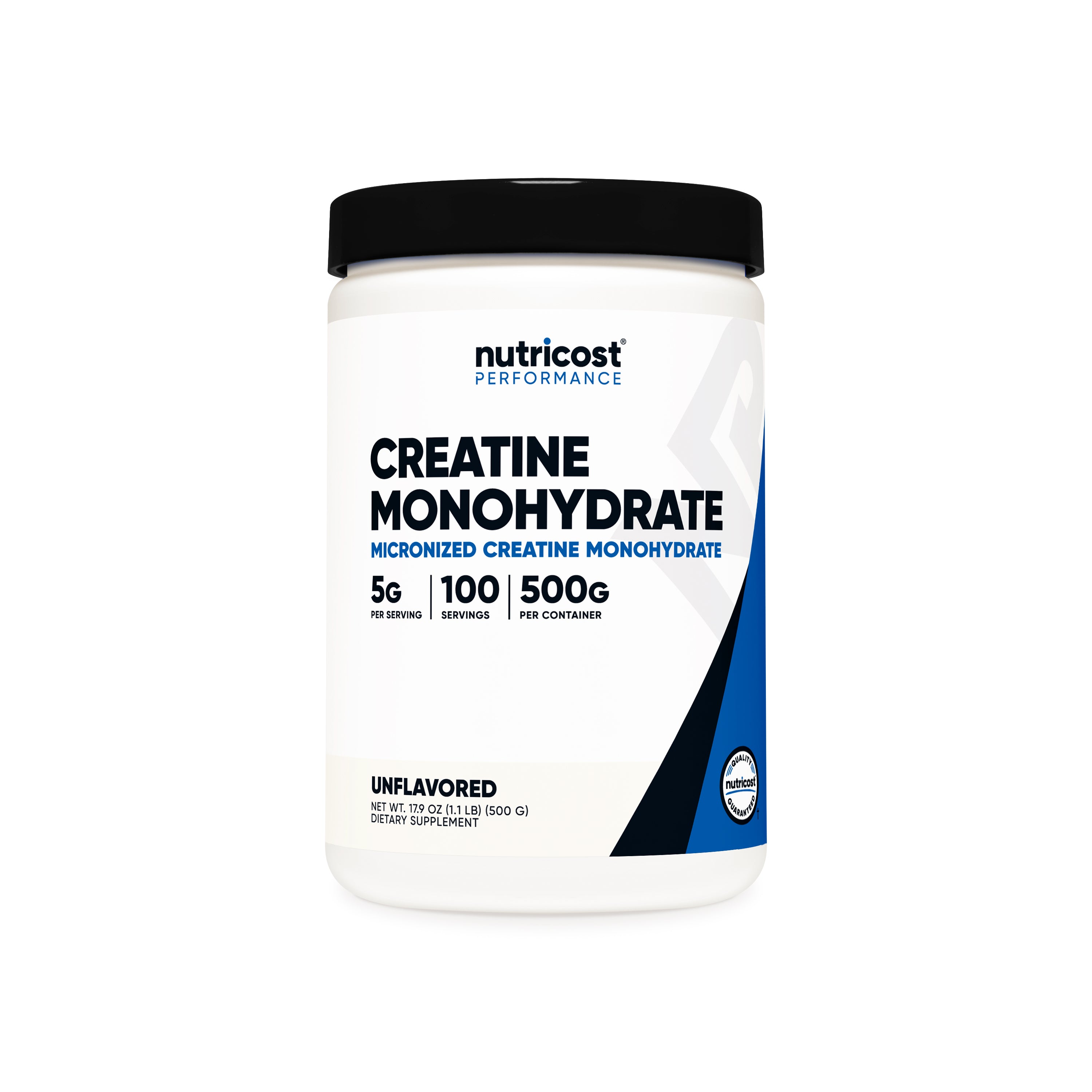
NutricostCreatine
Creatine Monohydrate
The value champion. Pure creatine monohydrate at 5g per serving for a fraction of premium brand pricing. Third-party tested, no frills.
Best in Class$19.99
$0.20/dose
87
#14
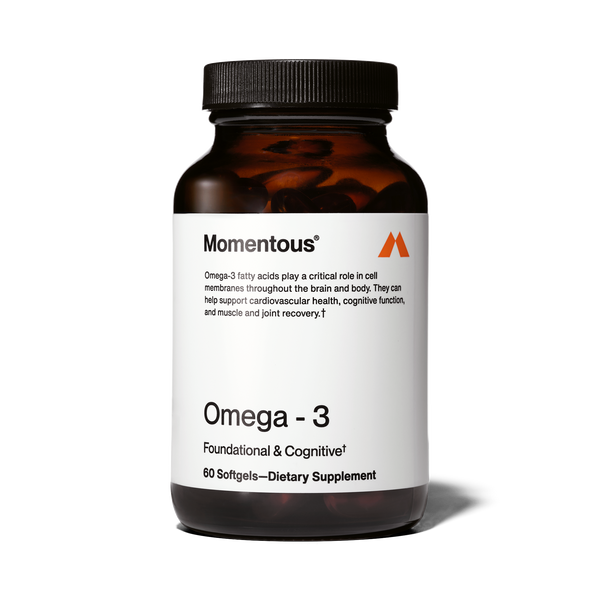
MomentousOmega-3
Omega-3
Premium omega-3 with NSF Certified for Sport. Triglyceride form, excellent EPA/DHA ratio, and the gold-standard third-party testing. Slight Huberman association premium.
Best in Class$34.99
$1.17/dose
Hype penalty: -2 pts
87
#15

DymatizeProtein
ISO 100 Hydrolyzed Whey Protein Isolate
One of the purest whey isolates on the market. 25g protein with less than 1g sugar and fat per serving. Hydrolyzed for rapid absorption. Informed Choice certified.
Best in Class$32.99
$1.32/dose
Hype penalty: -1 pts
87
#16

ThorneOmega-3
Super EPA
High-EPA fish oil concentrate from Thorne. Each gelcap delivers 425mg EPA and 270mg DHA — one of the highest EPA concentrations available without a prescription. NSF Certified for Sport with IFOS 5-star rated purity.
Best in Class$42.00
$0.47/dose
87
#17
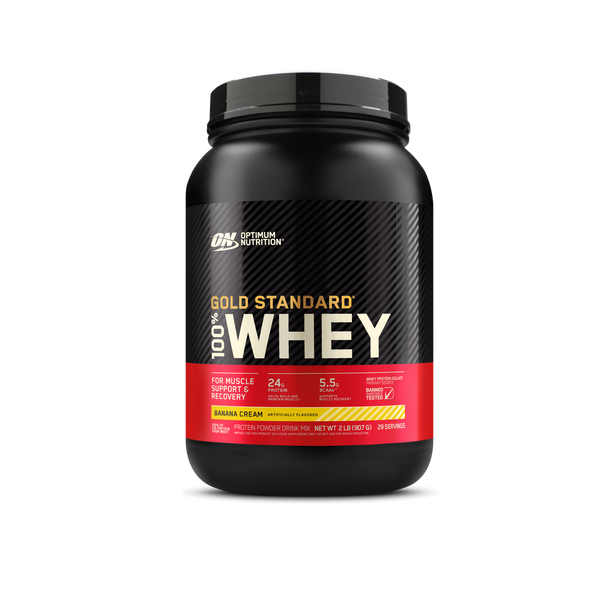
Optimum NutritionProtein
Gold Standard 100% Whey
The industry benchmark for two decades. 24g protein, solid amino profile, and the best price-to-quality ratio in the whey protein market.
Best in Class$34.99
$1.21/dose
Hype penalty: -1 pts
86
#18

Life ExtensionMagnesium
Magnesium L-Threonate (Magtein)
The only magnesium form shown to cross the blood-brain barrier effectively. Strong evidence for cognitive function and sleep. Premium pricing reflects patented form.
Best in Class$30.00
$1.00/dose
Hype penalty: -3 pts
85
#19

NOW SportsCreatine
Creatine Monohydrate Powder
No-frills creatine at the absolute best price in the certified segment. NOW Sports delivers Informed Sport verification at bulk pricing. Function over flash.
Best in Class$14.99
$0.12/dose
85
#20
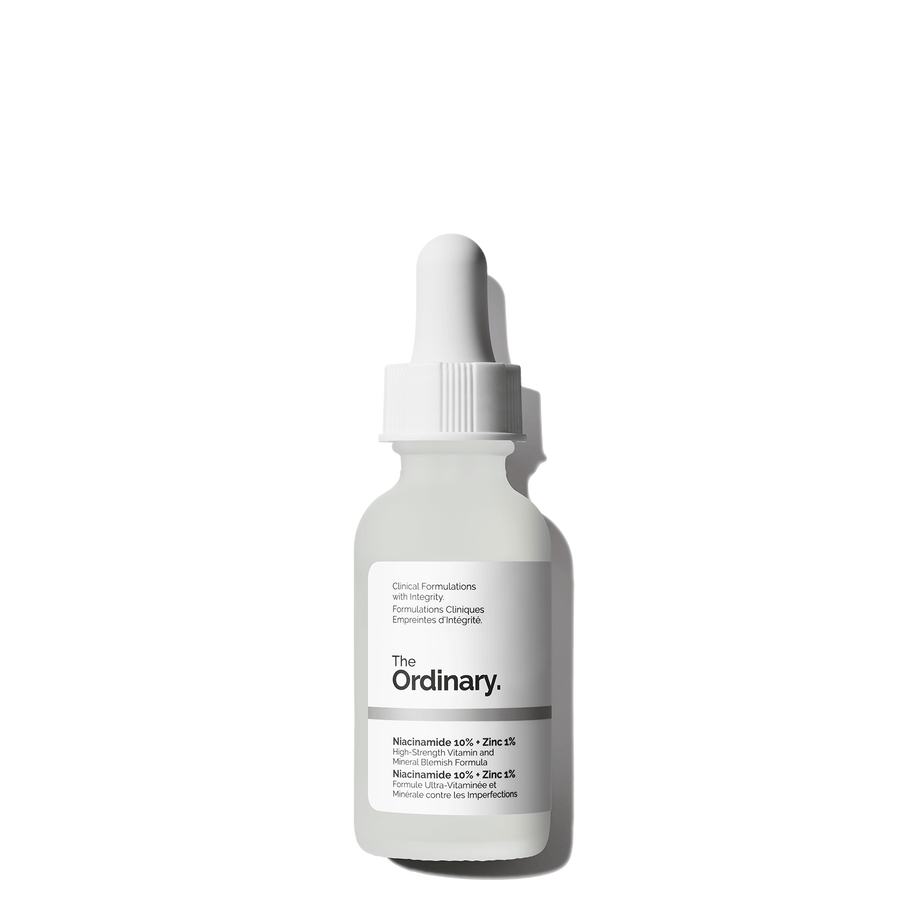
The OrdinaryBeauty & Skin
Niacinamide 10% + Zinc 1%
Dermatology gold standard at a pharmacy price. Niacinamide (vitamin B3) at 10% has robust clinical evidence for reducing pore appearance, evening skin tone, and improving barrier function. At $5.99 for 120+ applications, the value is extraordinary.
Best in Class$5.99
$0.05/dose
85
#21

Transparent LabsProtein
100% Grass-Fed Whey Protein Isolate
Lives up to its brand name with full ingredient transparency. 28g protein per serving, naturally sweetened, no artificial ingredients. Premium pricing reflects the clean label approach.
Worth Buying$59.99
$2.00/dose
Hype penalty: -2 pts
84
#22

CulturelleGut Health
Digestive Daily Probiotic
Contains the single most clinically studied probiotic strain in existence: Lactobacillus rhamnosus GG. Over 1,000 published studies. If you want one evidence-based probiotic, this is it.
Worth Buying$24.99
$0.83/doseTrue cost: $2.08/dose
84
#23

Klean AthleteOmega-3
Klean Omega
NSF Certified for Sport omega-3 with 1,000mg combined EPA/DHA per serving. Built for tested athletes who cannot risk a failed drug test from contaminated fish oil. Clean, well-dosed, but premium-priced.
Worth Buying$36.00
$0.60/dose
84
#24

NOW FoodsMagnesium
Magnesium Glycinate
The workhorse of magnesium supplements. Glycinate form is well-absorbed, gentle on the stomach, and NOW delivers it at an unbeatable price. No glamour, just function.
Worth Buying$14.99
$0.25/dose
83
#25

Pure EncapsulationsVitamins & Multis
B-Complex Plus
The gold standard B-complex for people who actually need one. Uses methylated forms (methylfolate, methylcobalamin) that bypass MTHFR polymorphisms. Hypoallergenic, no fillers, no unnecessary additives. If your genetics or blood work say you need B vitamins, this is the one.
Worth Buying$22.80
$0.19/dose
83
#26
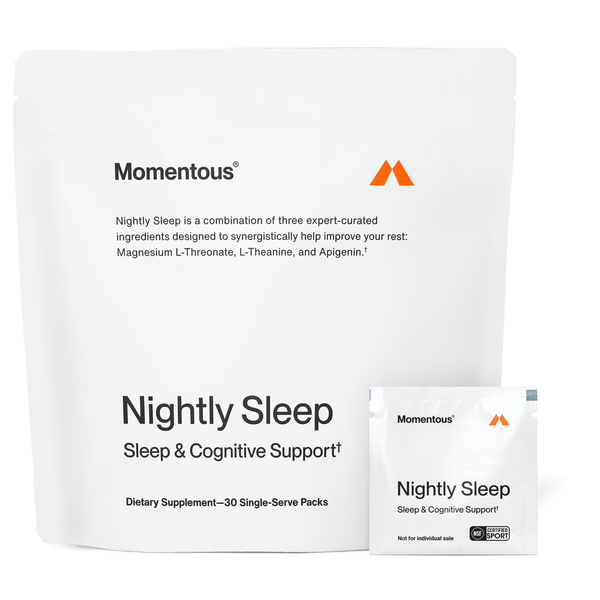
MomentousSleep
Sleep Pack
A three-supplement sleep stack combining magnesium L-threonate, apigenin, and L-theanine — the exact combination recommended by Andrew Huberman. Each ingredient at clinically studied doses, third-party tested, and packaged in daily packs for convenience. Premium pricing but genuine evidence behind all three compounds.
Best in Class$55.00
$1.83/dose
83
#27
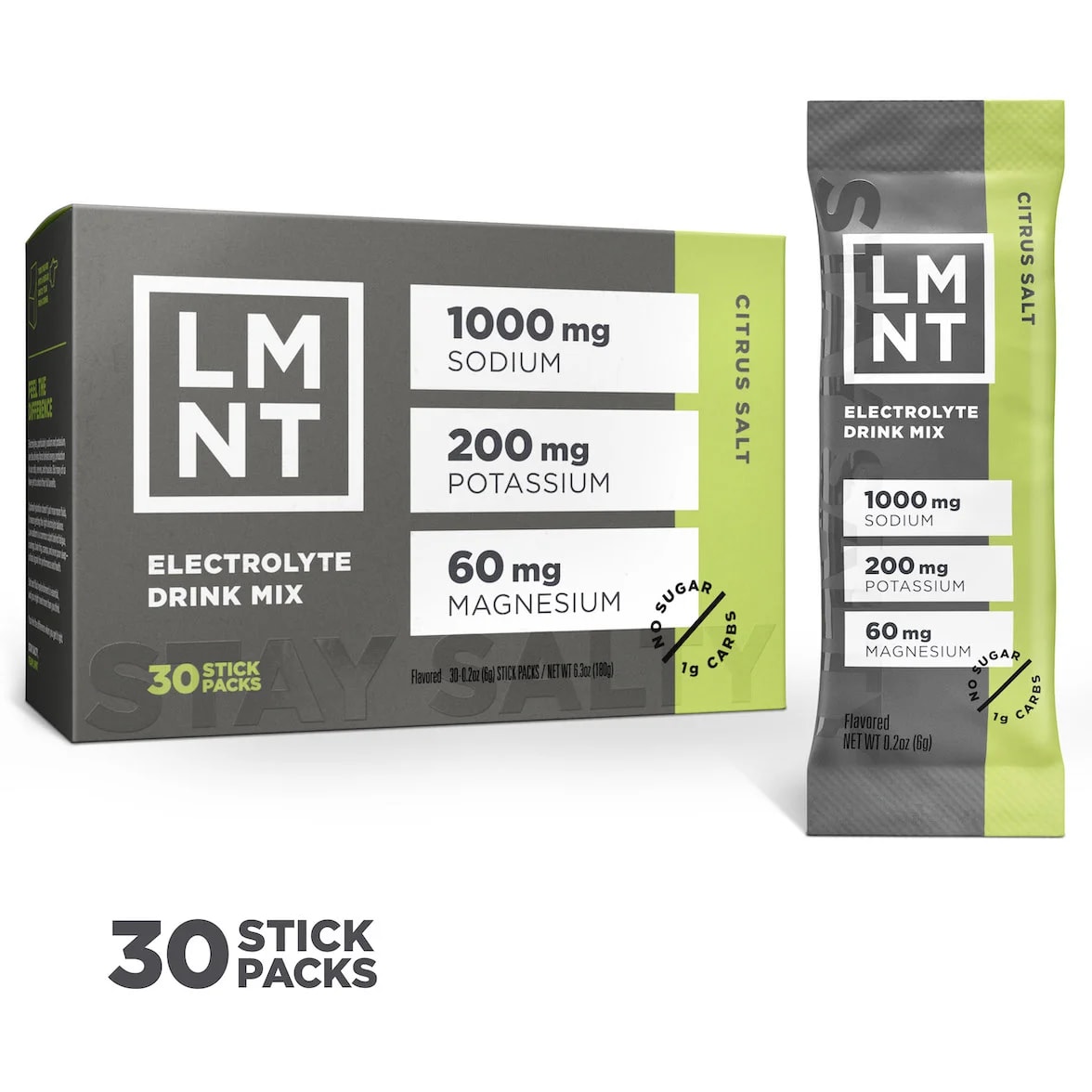
LMNTElectrolytes
Electrolyte Mix
Sodium-forward electrolyte mix that gets the ratios largely right. Good for active people and low-carb diets. Slightly overhyped through influencer marketing.
Worth Buying$45.00
$1.50/doseTrue cost: $3.75/dose
Hype penalty: -5 pts
82
#28

Viva NaturalsOmega-3
Triple Strength Omega-3
The value play in omega-3. High EPA/DHA content at the best price-per-mg in the category. Ethyl ester form absorbs less than triglyceride, but the dose compensates.
Worth Buying$23.99
$0.53/dose
82
#29
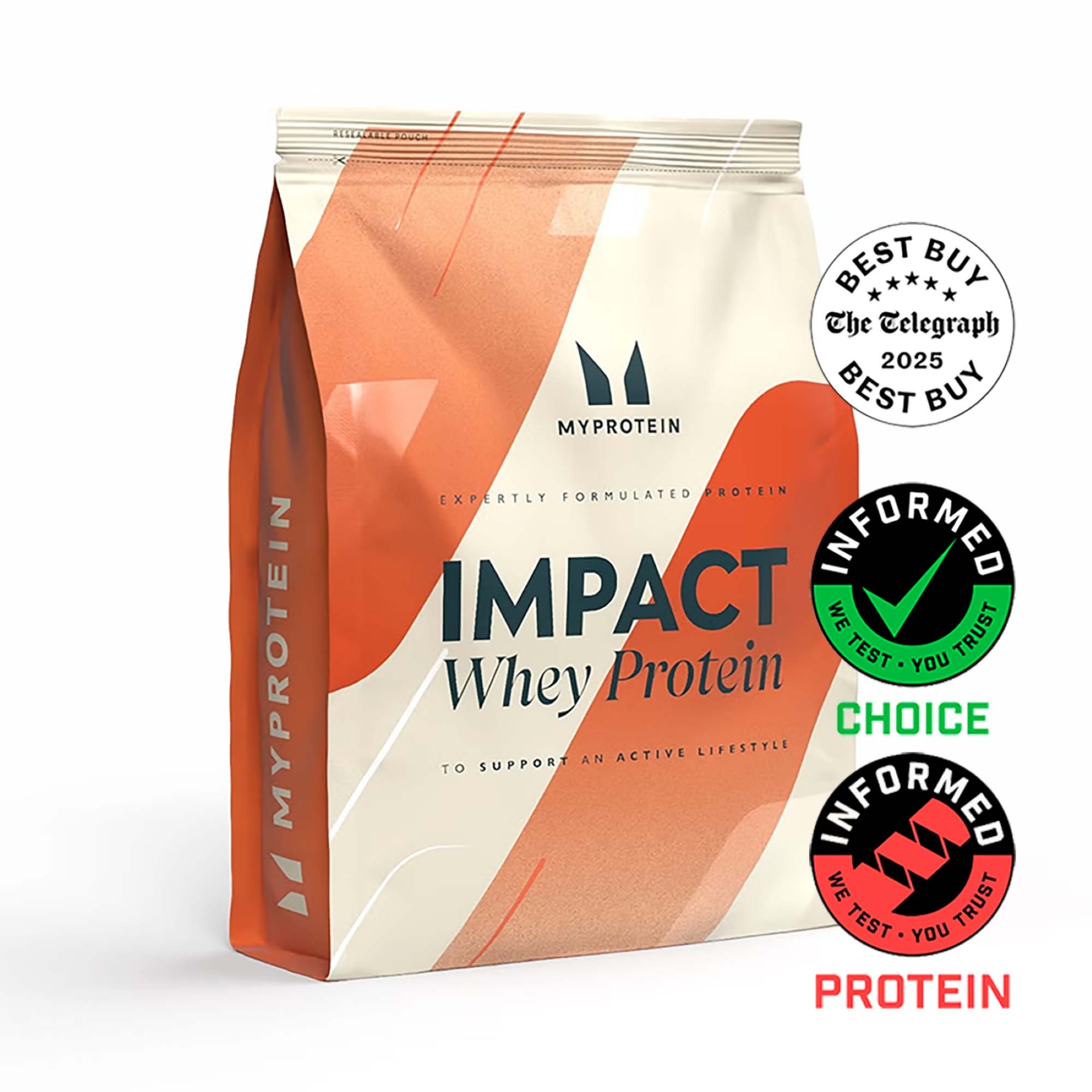
MyproteinProtein
Impact Whey Protein
The value king of whey protein. 21g protein per serving at the lowest price in the tested category. Whey concentrate, not isolate -- but for most people, that is fine.
Worth Buying$24.99
$0.62/dose
Hype penalty: -1 pts
82
#30

Doctor's BestMagnesium
High Absorption Magnesium
Magnesium glycinate/lysinate chelate with excellent absorption. 200mg elemental magnesium per serving at a budget-friendly price. Albion Minerals chelate is a respected source.
Worth Buying$10.99
$0.18/dose
82
#31

ThorneVitamins & Multis
Basic Nutrients 2/Day
The best multivitamin for people who actually need one. Methylated B vitamins, chelated minerals, and bioavailable forms throughout. NSF Certified for Sport. Only 2 capsules per day.
Worth Buying$35.00
$1.17/dose
Hype penalty: -1 pts
82
#32
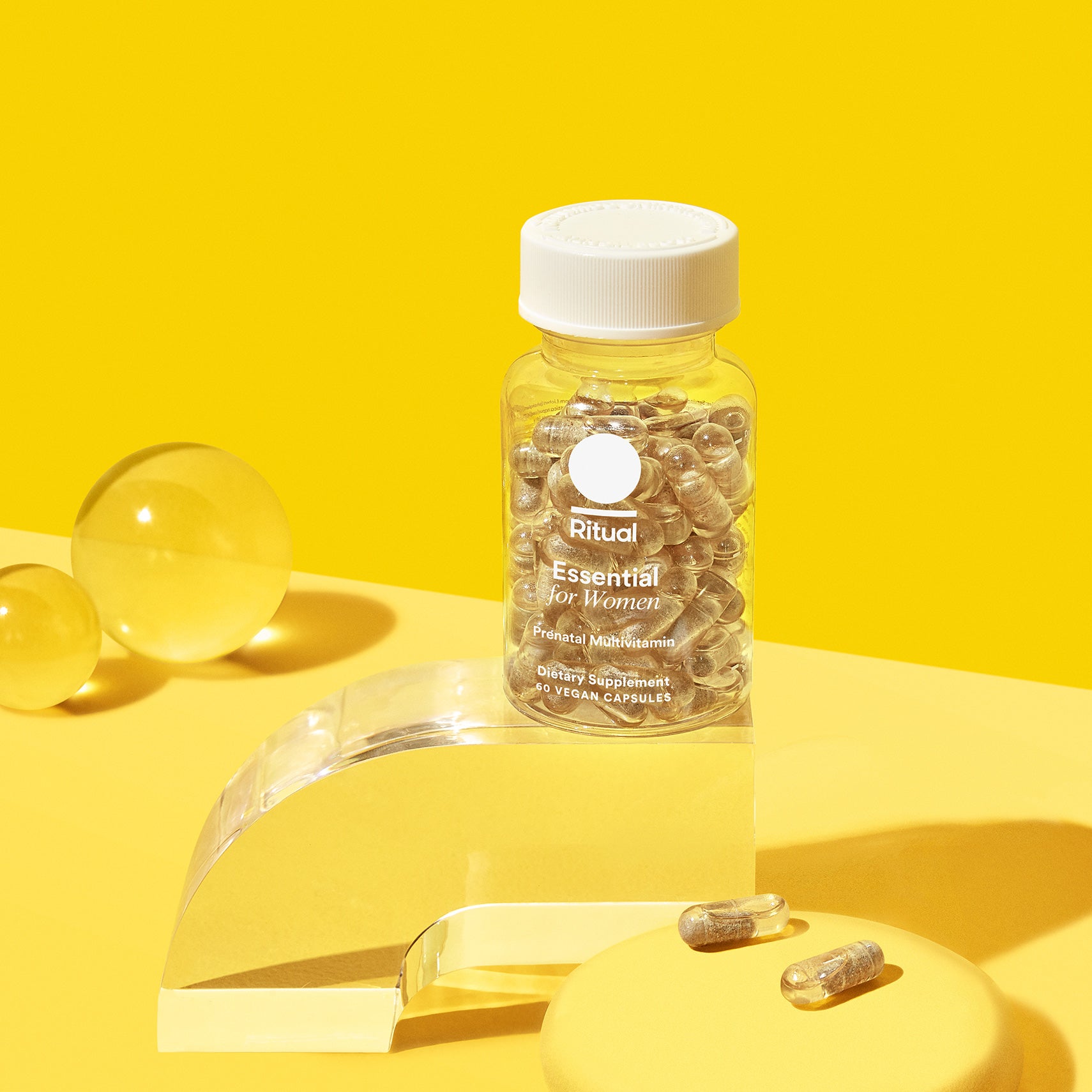
RitualPrenatal
Prenatal Multivitamin
Premium prenatal with methylated folate (1000mcg), chelated iron (8mg), and vegan DHA (350mg). Delayed-release capsule reduces nausea. The forms are outstanding, but the iron dose may be insufficient for women with low stores entering pregnancy.
Worth Buying$39.00
$1.30/doseTrue cost: $3.25/dose
Hype penalty: -2 pts
82
#33
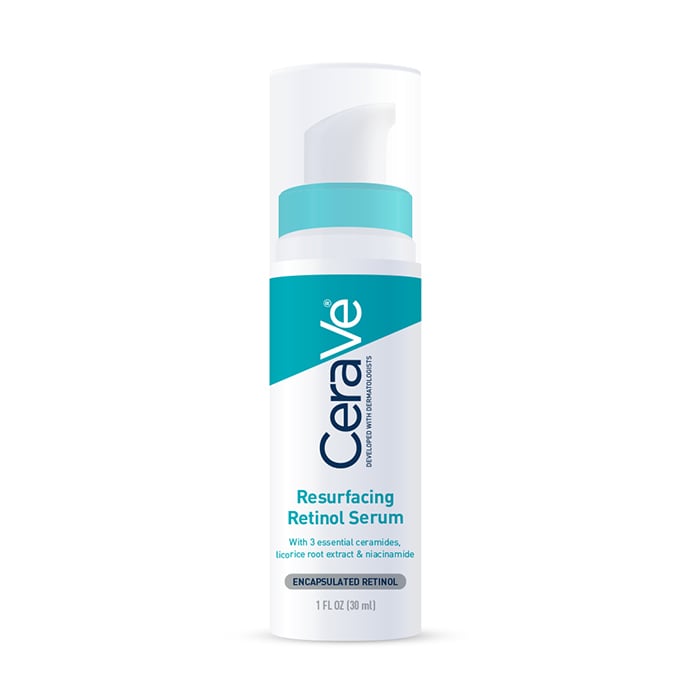
CeraVeBeauty & Skin
Resurfacing Retinol Serum
Retinol with ceramides and niacinamide in a dermatologist-developed formula. Retinol (vitamin A) has the strongest anti-aging evidence of any OTC skincare ingredient -- period. CeraVe's encapsulated delivery and barrier-supporting ceramides reduce the irritation that makes retinol hard to tolerate.
Worth Buying$19.99
$0.22/doseTrue cost: $0.55/dose
82
#34

NOW FoodsVitamins & Multis
Vitamin K2 MK-7 100mcg
The essential companion to Vitamin D that most people forget. MK-7 is the most bioavailable form of K2, directing calcium into bones and away from arteries. At $0.13/serving, outstanding value.
Worth Buying$15.99
$0.13/dose
82
#35

Legion AthleticsPre-Workout
Pulse Pre-Workout
A fully dosed, no-proprietary-blend pre-workout from the brand founded by evidence-based fitness author Mike Matthews. High caffeine (350mg), clinical doses of citrulline and beta-alanine. Legitimate, but the caffeine is aggressive.
Worth Buying$44.99
$2.25/dose
Hype penalty: -2 pts
82
#36

ThorneVitamins & Multis
Berberine 500mg
Pharmaceutical-grade berberine at the clinically studied 500mg dose. Berberine is one of the few supplements with genuine evidence for metabolic health — multiple RCTs show it lowers blood glucose comparably to metformin. Thorne delivers it with their standard NSF-grade manufacturing and full label transparency.
Worth Buying$36.00
$0.60/dose
Hype penalty: -2 pts
82
#37

Life ExtensionMagnesium
Magnesium Caps
Three forms of magnesium (citrate, oxide, succinate) in one capsule for broad coverage. 500mg elemental magnesium at $0.12/serving. Life Extension's research-focused approach delivers value.
Worth Buying$12.00
$0.12/dose
81
#38

Sports ResearchOmega-3
Triple Strength Omega-3
A high-potency omega-3 with 1,040mg combined EPA/DHA per softgel. IFOS 5-star certified for purity and potency. Good value, but the 'triple strength' name is relative marketing, and it uses the less bioavailable ethyl ester form.
Worth Buying$24.99
$0.42/dose
Hype penalty: -2 pts
81
#39
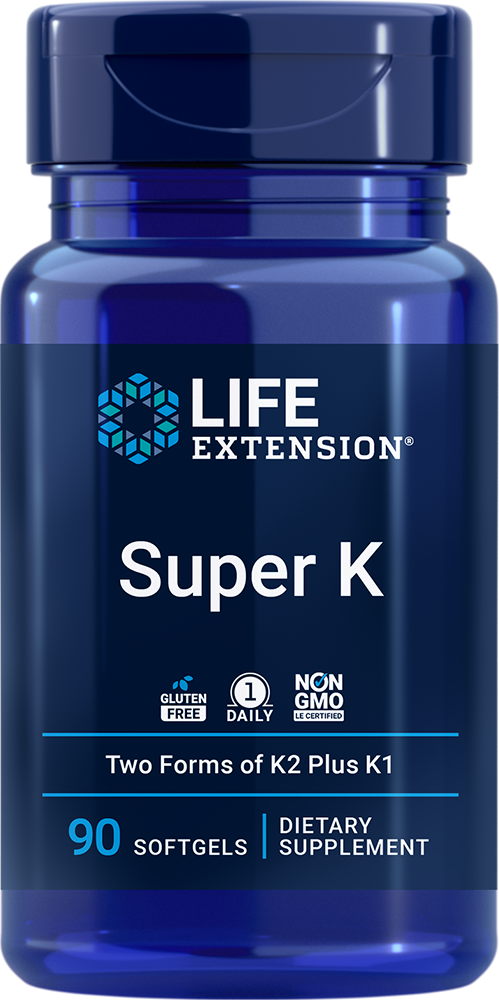
Life ExtensionVitamins & Multis
Super K
A comprehensive vitamin K formula providing both K1 and two forms of K2 (MK-4 and MK-7) at meaningful doses. Vitamin K is critical for calcium metabolism — directing calcium to bones rather than arteries. Life Extension is one of the few brands that includes MK-4 at 1000mcg alongside MK-7, recognizing that these forms have different tissue distribution and half-lives.
Best in Class$22.00
$0.24/dose
81
#40
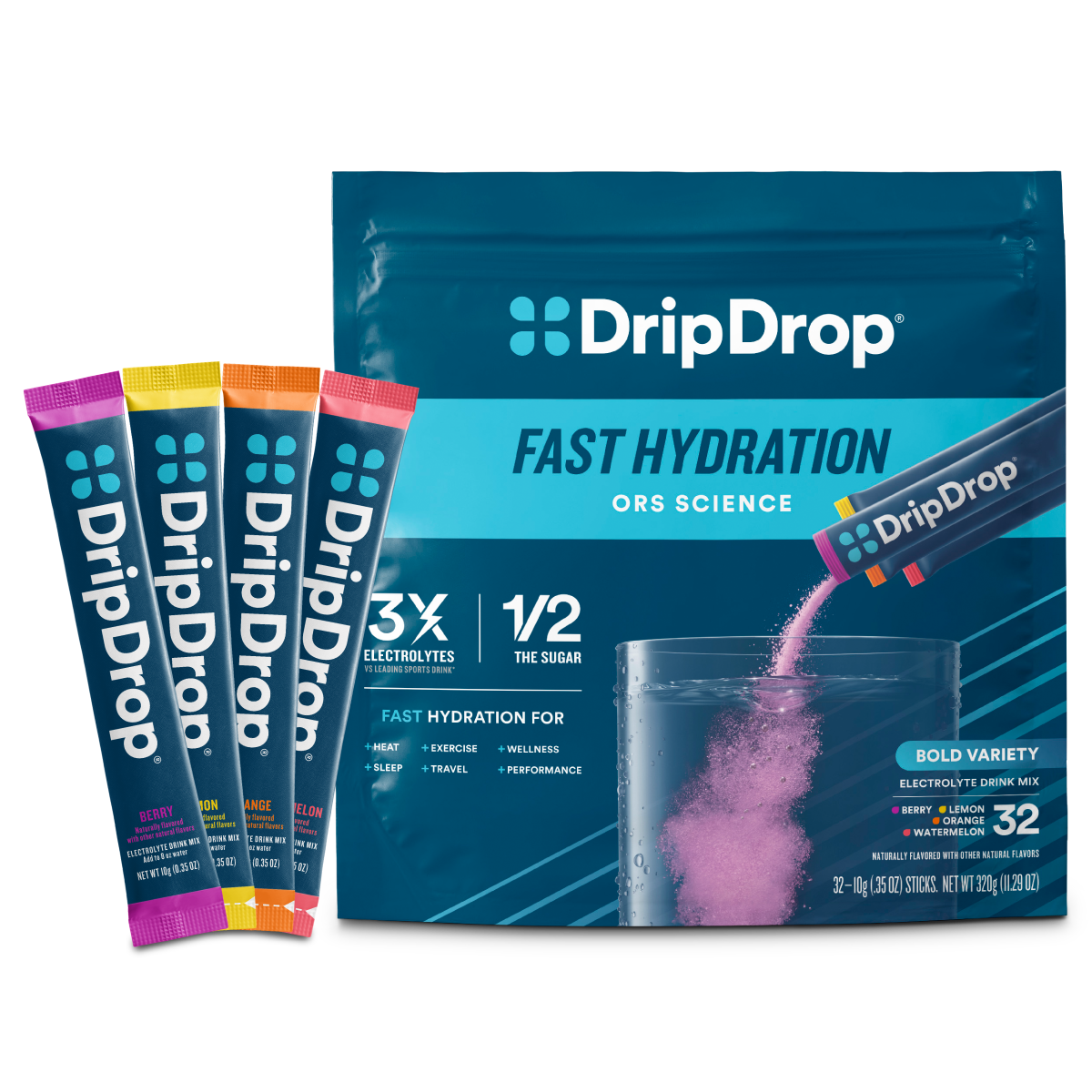
DripDropElectrolytes
ORS Electrolyte Powder
Developed by a doctor based on WHO oral rehydration science. Clinical evidence for actual dehydration scenarios. Contains sugar, but that is the point -- glucose aids sodium absorption.
Worth Buying$21.99
$0.69/doseTrue cost: $1.38/dose
Hype penalty: -1 pts
80
#41
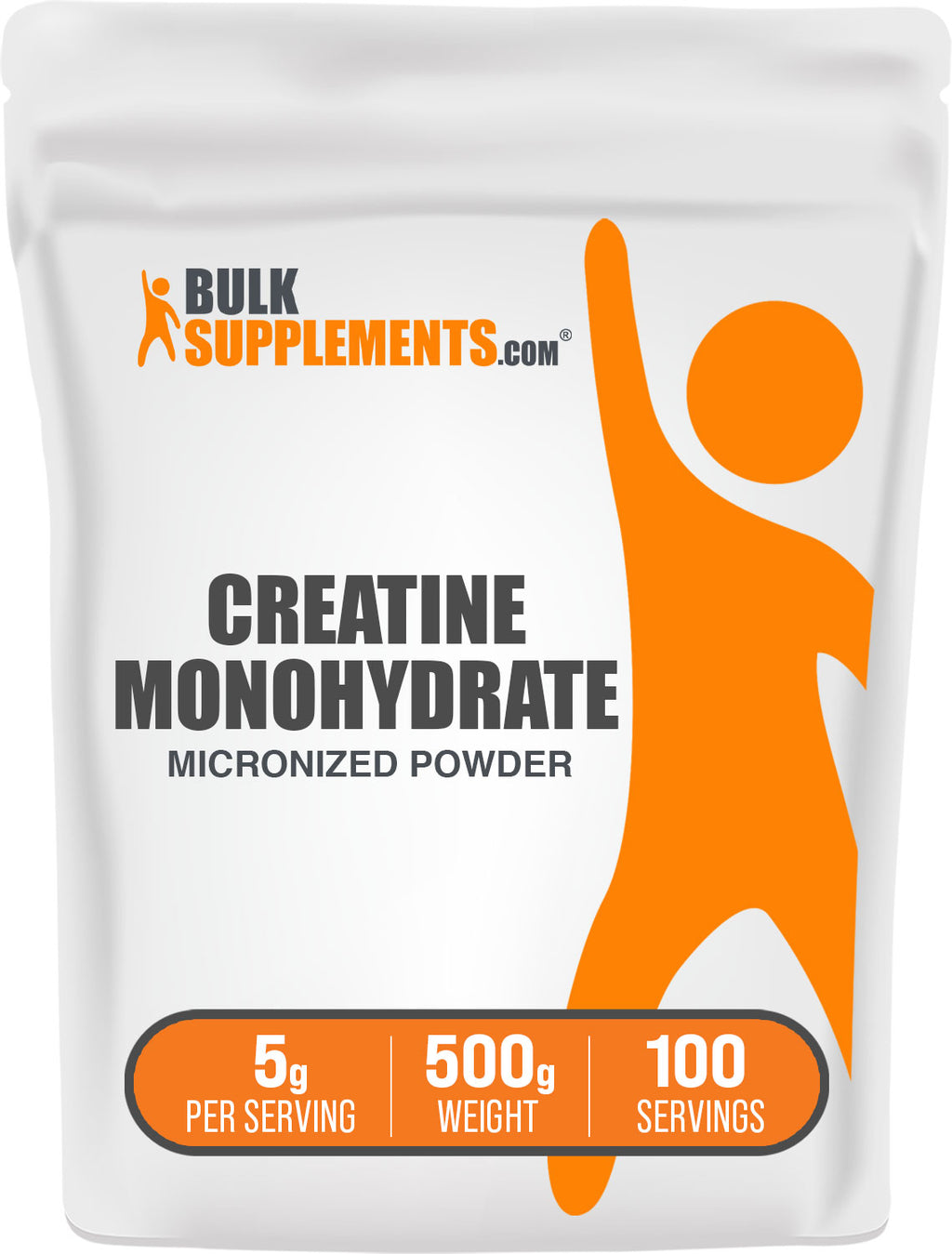
BulkSupplementsCreatine
Creatine Monohydrate Powder
The absolute cheapest creatine per serving. $0.08/serving is unbeatable. No certifications, no frills, just bulk creatine. For those who prioritize pure economics.
Solid Choice$15.99
$0.08/dose
80
#42

Life ExtensionMagnesium
Magnesium L-Threonate (Magtein)
The only magnesium form demonstrated to cross the blood-brain barrier and elevate brain magnesium levels. Promising for cognitive function, but the evidence is still early-stage and it is expensive for the elemental magnesium you actually get.
Worth Buying$27.00
$0.90/dose
Hype penalty: -3 pts
80
#43
RitualVitamins & Multis
Essential for Men 18+
A minimalist men's multivitamin containing only 10 nutrients Ritual considers evidence-backed for gaps in the typical male diet. Third-party tested, traceable sourcing, and delayed-release capsule technology. Premium priced for what is essentially a focused nutrient insurance policy.
Worth Buying$35.00
$1.17/doseTrue cost: $2.93/dose
Hype penalty: -5 pts
80
#44

NOW FoodsVitamins & Multis
Vitamin C-1000
Ascorbic acid at 1000mg per tablet with rose hips from a GMP-verified manufacturer. Vitamin C is one of the most evidence-backed vitamins, with clear roles in immune function, collagen synthesis, and antioxidant defense. At $0.11/tablet for 100 servings, this is near-unbeatable value for a genuine essential nutrient.
Worth Buying$11.00
$0.11/dose
80
#45
MomentousSleep
Sleep Pack
Well-formulated sleep stack with clinically studied ingredients at proper doses. The Huberman association adds a hype premium, but the formula itself is solid.
Solid Choice$54.00
$1.80/dose
Hype penalty: -4 pts
79
#46

NatrolSleep
Melatonin 1mg
One of the few melatonin products at the correct dose. Most melatonin supplements are 3-10mg — dramatically overdosed. The physiologically appropriate dose is 0.3-1mg. Natrol gets this right, and at $0.10/serving it is essentially free.
Worth Buying$8.99
$0.10/dose
79
#47
Doctor's BestLongevity & Anti-Aging
High Absorption CoQ10 200mg
A well-formulated CoQ10 supplement using the ubiquinol form with BioPerine for enhanced absorption. CoQ10 is one of the better-evidenced supplements for mitochondrial support, with decades of research in cardiovascular health and cellular energy production. Doctor's Best delivers 200mg at an excellent price point.
Worth Buying$25.00
$0.42/dose
79
#48

KagedPre-Workout
Pre-Kaged Elite
One of the most transparently dosed, clinically formulated pre-workouts available. Every ingredient at or above clinical doses. Premium price, but you get what the label says.
Worth Buying$44.99
$2.25/dose
Hype penalty: -2 pts
78
#49

SeedGut Health
DS-01 Daily Synbiotic
The most scientifically rigorous probiotic on the market. 24 clinically studied strains with published research on the actual product (not just individual strains). The price is steep, but the science is real.
Worth Buying$49.99
$1.67/dose
Hype penalty: -5 pts
78
#50

RitualWomen's Wellness
Essential for Women 18+
A focused multivitamin with only 9 nutrients women are commonly deficient in. Methylated folate, chelated iron, and vegan omega-3. Better formulation than competitors, but the 'less is more' approach means you may still need standalone supplements.
Worth Buying$36.00
$1.20/doseTrue cost: $2.40/dose
Hype penalty: -3 pts
78
#51

Jarrow FormulasBone & Joint
Curcumin Phytosome 500mg
Curcumin is the anti-inflammatory compound in turmeric. Standard curcumin has terrible absorption (<1%), but Jarrow uses Meriva phytosome technology which improves bioavailability 29x. This is the form used in most positive clinical trials.
Worth Buying$28.00
$0.47/dose
Hype penalty: -2 pts
78
#52

NOW FoodsSleep
L-Theanine 200mg
Pure L-theanine at the clinically studied 200mg dose from a trusted budget brand. NOW Foods delivers GMP-verified quality at a fraction of premium brand pricing. L-theanine promotes alpha brain waves and reduces stress without sedation — making it versatile for both daytime calm and sleep onset support.
Worth Buying$14.00
$0.12/dose
78
#53

NOW FoodsIron
Iron 18mg (Iron Bisglycinate)
Chelated iron (bisglycinate) at the RDA dose for premenopausal women. This form has significantly fewer GI side effects than ferrous sulfate. Only supplement if you have confirmed iron deficiency — excess iron is dangerous.
Worth Buying$9.99
$0.08/dose
77
#54
Jarrow FormulasLongevity & Anti-Aging
QH-Absorb (Ubiquinol)
Jarrow's ubiquinol CoQ10 uses Kaneka's patented QH form — the same reduced form of CoQ10 your body actually uses. Kaneka is the world's largest CoQ10 manufacturer and holds the original ubiquinol patent. A premium CoQ10 at a fair price from a well-regarded supplement brand.
Worth Buying$30.00
$0.50/dose
77
#55
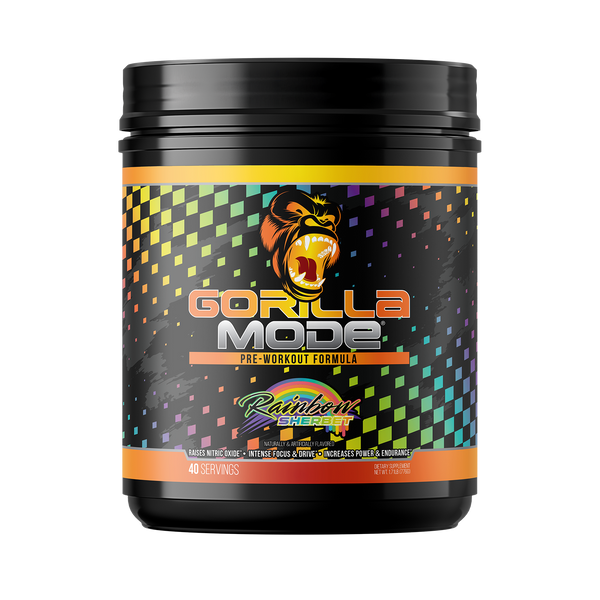
Gorilla MindPre-Workout
Gorilla Mode
Transparently dosed pre-workout with clinical amounts of key ingredients. Slightly aggressive stimulant profile but backed by real doses, not pixie dust.
Solid Choice$49.00
$1.23/dose
Hype penalty: -6 pts
76
#56

PedialyteElectrolytes
Electrolyte Powder Packets
Developed for pediatric dehydration with clinical-grade ORS formulation. The strongest evidence base in the category for actual rehydration. But the adult hangover marketing has inflated the price.
Solid Choice$11.99
$2.00/dose
Hype penalty: -3 pts
76
#57

AlignGut Health
Digestive Support Probiotic
Contains Bifidobacterium longum 35624, specifically studied for IBS symptoms. #1 gastroenterologist-recommended probiotic in the US. Strong evidence for IBS, but overpriced for general gut health.
Worth Buying$32.99
$1.18/dose
Hype penalty: -2 pts
76
#58

Nature MadePrenatal
Prenatal Multi + DHA
USP-verified prenatal at an unbeatable price. Folic acid (not methylated) at 800mcg, iron at 27mg (full RDA), and DHA at 200mg. Uses cheaper forms but at correct clinical doses. The best value prenatal on the market.
Worth Buying$21.99
$0.24/doseTrue cost: $0.60/dose
76
#59

Garden of LifeGut Health
RAW Probiotics Women
A high-diversity probiotic with 85 billion CFU and 32 strains, including Lactobacillus rhamnosus and L. reuteri strains with evidence for vaginal and urinary health. Refrigeration required. Decent but overpromises.
Solid Choice$37.99
$1.27/doseTrue cost: $3.81/dose
Hype penalty: -4 pts
76
#60

Nature MadeVitamins & Multis
CoQ10 200mg
USP-verified CoQ10 at the clinically studied 200mg dose. Nature Made is one of the few supplement brands with United States Pharmacopeia verification, meaning independent testing confirms that the product contains what the label says. Solid evidence for statin users and heart failure patients; limited evidence for general anti-aging.
Worth Buying$22.00
$0.28/dose
76
#61
DripDropElectrolytes
Oral Rehydration Solution
DripDrop was developed by a doctor on the WHO oral rehydration therapy model but reformulated for better taste. It uses the science of sodium-glucose co-transport to maximize water absorption in the small intestine. More effective than sports drinks for actual dehydration, though overkill for casual hydration during light exercise.
Worth Buying$22.00
$1.38/dose
76
#62
AvmacolLongevity & Anti-Aging
Broccoli Sprout Extract (Sulforaphane)
Sulforaphane is the most potent natural activator of the Nrf2 pathway — the master regulator of cellular antioxidant defenses. Avmacol provides broccoli sprout extract with myrosinase enzyme to ensure glucoraphanin converts to active sulforaphane in the gut. Decades of research link sulforaphane to cancer chemoprevention, detoxification enhancement, and anti-inflammatory effects.
Worth Buying$30.00
$0.50/dose
76
#63

Garden of LifeProtein
Raw Organic Protein
The best plant-based option for those who need it. Organic, complete amino profile, but plant protein is inherently less bioavailable than whey. Honest about what it is.
Solid Choice$39.99
$1.43/dose
Hype penalty: -3 pts
75
#64

CitracalBone & Joint
Calcium 600mg + D3
Calcium citrate with vitamin D3 for bone density support. The citrate form absorbs well without food (unlike carbonate). Important for postmenopausal women, but recent evidence suggests dietary calcium is preferred over supplements when possible. The cardiovascular safety debate continues.
Worth Buying$18.99
$0.16/dose
75
#65

CulturelleGut Health
Digestive Health Daily Probiotic
Culturelle uses Lactobacillus rhamnosus GG (LGG) — the single most studied probiotic strain in the world with over 1,000 published studies. Unlike multi-strain products making broad claims, Culturelle focuses on one strain with deep evidence for digestive health and immune support. A no-nonsense probiotic backed by real science.
Worth Buying$25.00
$0.83/doseTrue cost: $2.08/dose
75
#66

Garden of LifeVitamins & Multis
Vitamin Code Raw B-Complex
A whole-food-derived B-complex featuring all eight B vitamins in their active (coenzymated) forms. Garden of Life's RAW formulation means the vitamins are produced through a process involving Saccharomyces cerevisiae (baker's yeast) to create food-matrix nutrients rather than synthetic isolates. Meaningful for people with MTHFR polymorphisms who need methylfolate instead of folic acid.
Worth Buying$24.00
$0.40/dose
75
#67
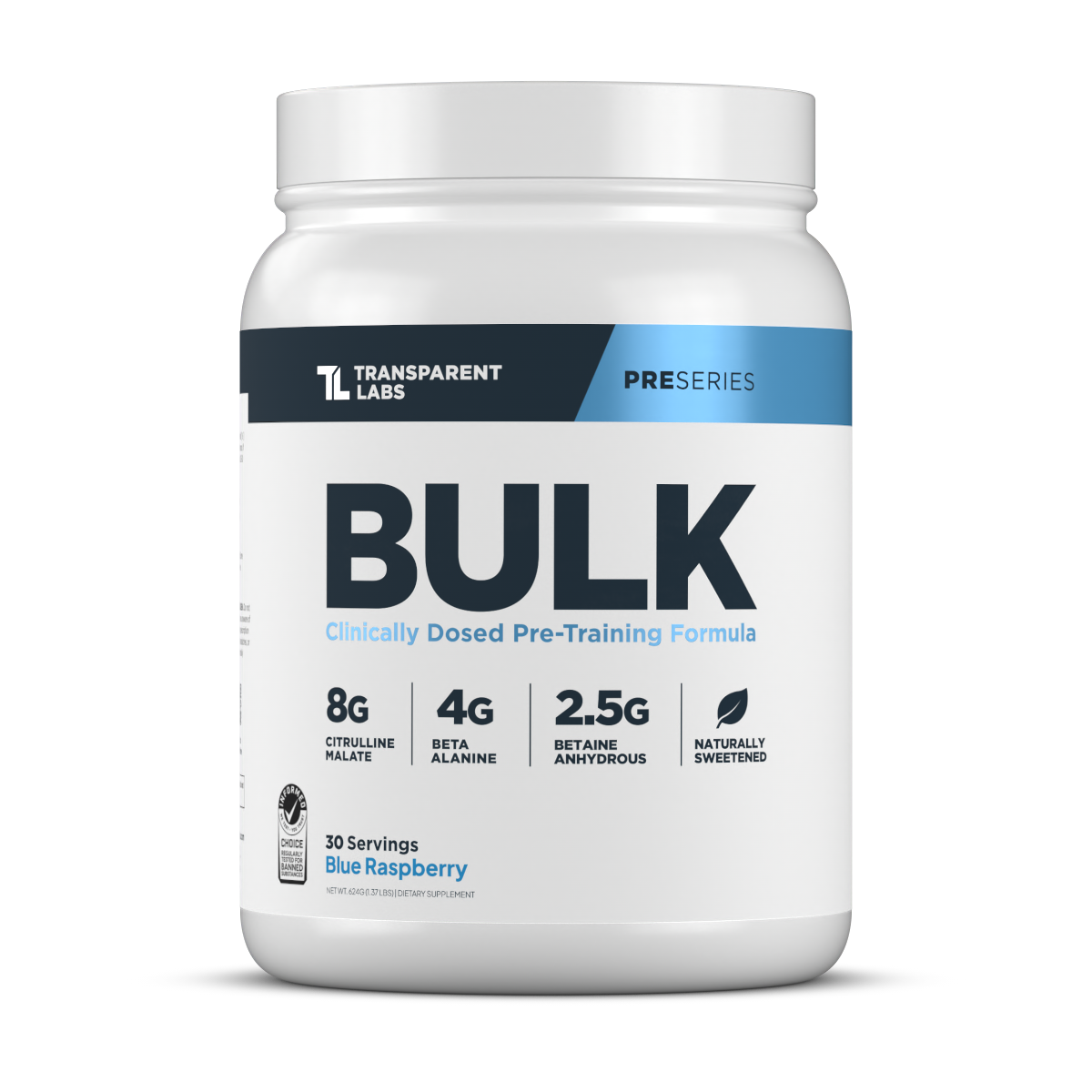
Transparent LabsPre-Workout
Bulk Pre-Workout
Lives up to its name with full label transparency. Clinical doses of citrulline, beta-alanine, and BCAAs. Solid but not the most cost-effective option.
Solid Choice$49.99
$1.67/doseTrue cost: $3.34/dose
Hype penalty: -4 pts
74
#68

Garden of LifeWomen's Wellness
Vitamin Code Women
Whole-food multivitamin with raw, uncooked nutrients plus a probiotic blend. Good value per serving but the 'raw' and 'whole food' marketing overstates the clinical advantage. Decent formulation with real iron and folate.
Solid Choice$44.99
$0.75/doseTrue cost: $1.50/dose
Hype penalty: -2 pts
74
#69
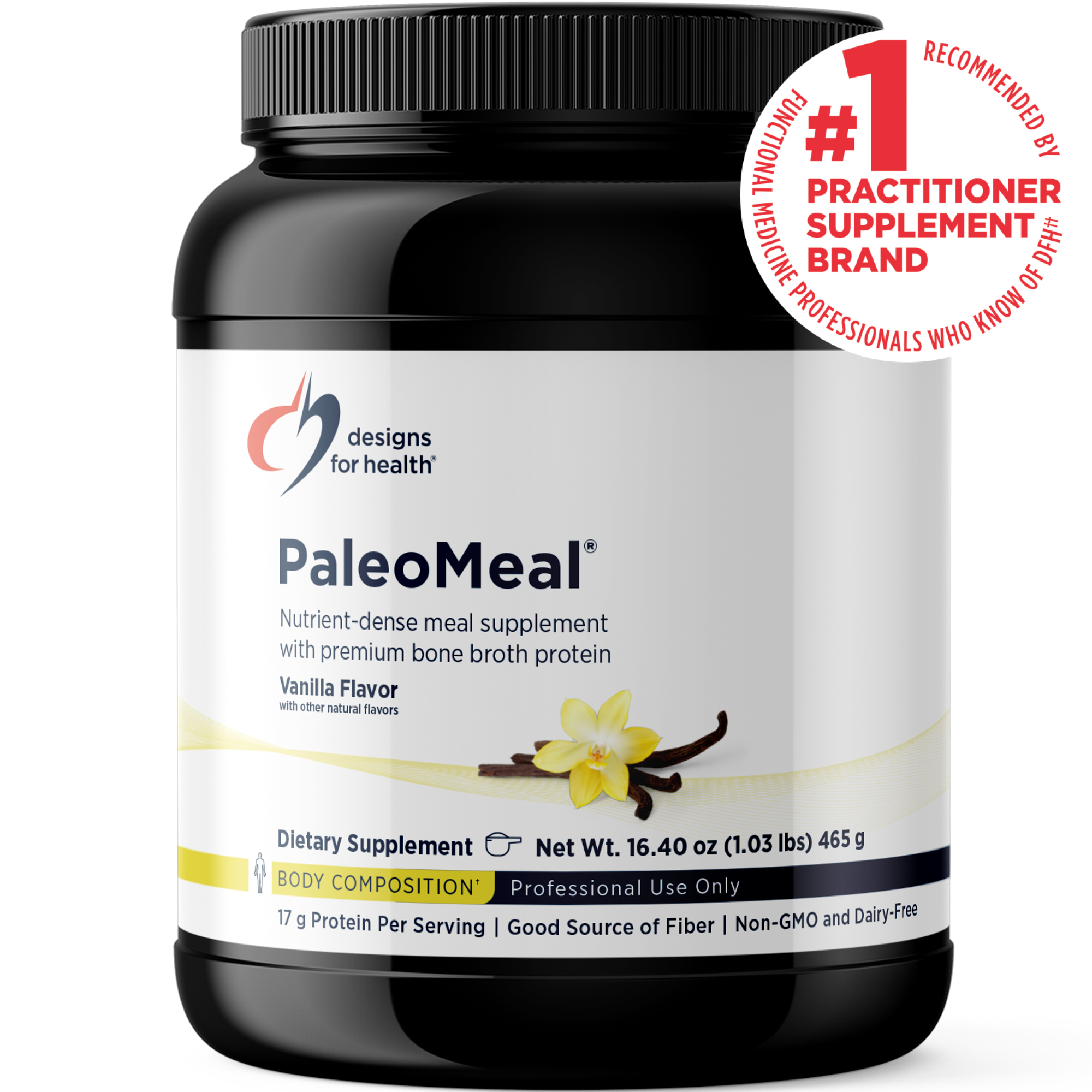
Designs for HealthProtein
PaleoMeal
A paleo-friendly meal replacement protein using beef protein isolate. Clean ingredient list, no dairy or soy, but extremely expensive for what you get. The 'paleo' branding drives a massive price premium over equivalent protein sources.
Solid Choice$61.95
$4.13/doseTrue cost: $10.33/dose
Hype penalty: -4 pts
74
#70

Nootropics DepotNootropics
Alpha-GPC 300mg
Alpha-GPC is the most bioavailable choline source for the brain, used to support acetylcholine production — a neurotransmitter critical for memory and learning. Nootropics Depot is a well-respected specialty brand with rigorous third-party testing. At 300mg per capsule, dosing is flexible for both cognitive support and exercise performance protocols.
Solid Choice$22.00
$0.37/doseTrue cost: $1.11/dose
74
#71

NOW FoodsBone & Joint
Glucosamine & Chondroitin
The classic joint support combination at clinical doses from a trusted budget brand. Glucosamine and chondroitin have decades of research, though the evidence is more mixed than many realize — the large-scale GAIT trial produced nuanced results that both supporters and critics cite selectively.
Solid Choice$22.00
$0.37/dose
74
#72
ChromaDexLongevity & Anti-Aging
Tru Niagen (Nicotinamide Riboside) 300mg
The most clinically studied NAD+ precursor supplement on the market. ChromaDex's patented Niagen (nicotinamide riboside) has been used in multiple published human trials. 300mg per capsule, FDA safety-notified, and backed by more human data than any competing NAD+ booster.
Solid Choice$47.00
$1.57/dose
74
#73

OrgainProtein
Organic Plant-Based Protein Powder
A solid plant-based option for the mass market. USDA Organic with 21g protein from pea, brown rice, and chia. Tastes better than most plant proteins, but bioavailability still trails whey.
Solid Choice$26.99
$1.35/dose
Hype penalty: -2 pts
73
#74

Garden of LifePrenatal
Vitamin Code Raw Prenatal
Whole-food prenatal with ginger for nausea and probiotics. The 'raw, whole food' premise is compelling but clinically unvalidated. Iron at 18mg is below RDA, folate at 800mcg is adequate. 3 capsules daily is less convenient than competitors.
Solid Choice$45.99
$1.53/doseTrue cost: $4.59/dose
Hype penalty: -3 pts
73
#75

Jarrow FormulasNootropics
SAMe 400mg
S-Adenosyl-L-Methionine at the clinically studied 400mg dose. Jarrow uses enteric-coated tablets to protect the notoriously unstable SAMe molecule from stomach acid degradation. Strong clinical evidence for depression and osteoarthritis, but comes with real safety considerations including potential for triggering mania in bipolar patients.
Worth Buying$35.00
$0.58/dose
73
#76

Sports ResearchCollagen
Collagen Peptides
Hydrolyzed collagen peptides from grass-fed, pasture-raised bovine. Sports Research provides 11g collagen per scoop at a competitive price with third-party verification. The collagen evidence is more nuanced than the industry suggests, but for joint and skin support at this price point, it is a solid value option.
Solid Choice$27.00
$0.66/dose
73
#77
NOW FoodsLongevity & Anti-Aging
Quercetin 500mg
Quercetin is a widely available flavonoid with anti-inflammatory, antioxidant, and emerging senolytic properties. NOW Foods delivers 500mg at an exceptional price ($0.15/serving). While quercetin alone is a weaker senolytic than dasatinib+quercetin combinations used in research, it has broader evidence for anti-inflammatory effects, immune support, and cardiovascular health.
Worth Buying$18.00
$0.15/dose
73
#78
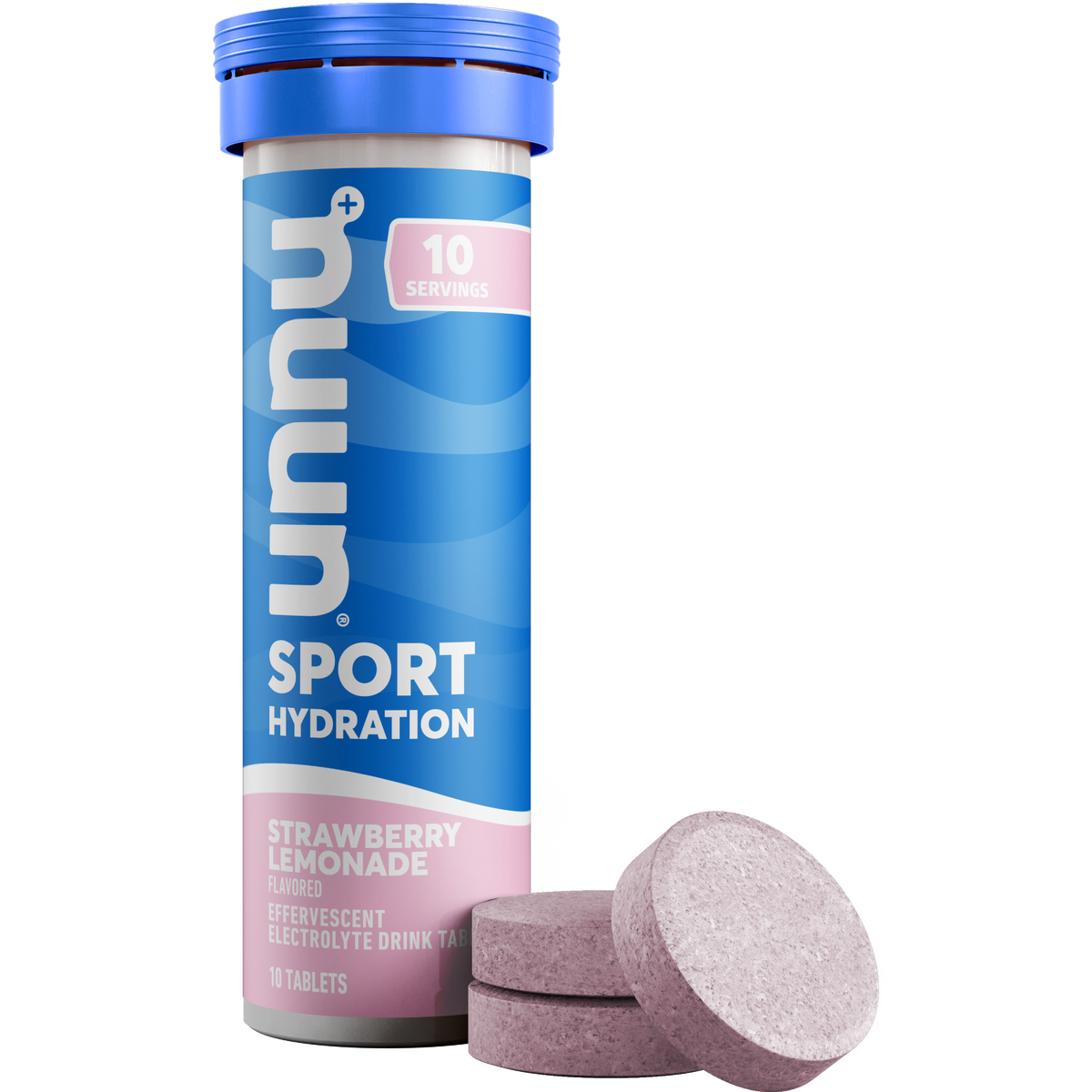
NuunElectrolytes
Sport Electrolyte Tablets
Convenient effervescent tablets with a balanced electrolyte profile. Low calorie and portable. The sodium content is lower than athlete-focused products, suited for moderate activity.
Solid Choice$7.99
$0.80/doseTrue cost: $2.40/dose
Hype penalty: -2 pts
72
#79
RitualVitamins & Multis
Essential for Men 18+
A minimalist multivitamin with only 10 nutrients -- the ones Ritual argues most people actually lack. Beautifully branded with traceable sourcing. But the subscription model and marketing inflate the cost.
Solid Choice$35.00
$1.17/doseTrue cost: $1.76/dose
Hype penalty: -6 pts
72
#80

Nootropics DepotTestosterone & Performance
Tongkat Ali 10% Eurycomanone
The best-evidenced natural testosterone support supplement available. Tongkat Ali (Eurycoma longifolia) has actual RCTs showing modest cortisol reduction and testosterone improvements. Standardized extract from a reputable source.
Solid Choice$24.99
$0.42/dose
Hype penalty: -3 pts
72
#81

OrgainProtein
Organic Protein Plant-Based
USDA Organic plant-based protein blend delivering 21g protein per serving from pea, brown rice, and chia. A solid vegan option with clean ingredients, though the amino acid profile and digestibility lag behind whey. Reasonable value for the organic plant protein category.
Solid Choice$30.00
$1.50/dose
Hype penalty: -3 pts
72
#82

Jarrow FormulasSleep
Apigenin 50mg
Standalone apigenin at the commonly recommended 50mg dose. Apigenin is a flavonoid found in chamomile that acts as a mild GABA-A receptor modulator. Jarrow Formulas provides this in a clean capsule at a competitive price, though the evidence base for isolated apigenin supplementation is still developing.
Solid Choice$12.00
$0.20/dose
72
#83

Transparent LabsGreens
Prebiotic Greens
Transparent Labs delivers what most greens powders do not: fully disclosed doses of every ingredient with zero proprietary blends. This greens formula combines organic vegetables, prebiotic fiber, and digestive enzymes at meaningful doses. The transparency is genuinely best-in-class for the greens category, even if the core premise of greens powders remains debated.
Solid Choice$40.00
$1.33/doseTrue cost: $3.33/dose
72
#84
ProHealth LongevityLongevity & Anti-Aging
NMN Pro 500mg
A high-dose NMN (nicotinamide mononucleotide) supplement from a longevity-focused brand. 500mg per capsule with third-party testing. NMN is a direct NAD+ precursor that showed impressive results in animal studies, and early human trials are encouraging but not yet definitive.
Solid Choice$60.00
$2.00/dose
72
#85

NOW FoodsSleep
GABA + L-Theanine Sleep Complex
A budget-friendly sleep support combo. GABA's ability to cross the blood-brain barrier is debated, but L-Theanine at 200mg has solid relaxation evidence. Together, a reasonable stack.
Solid Choice$12.99
$0.22/dose
71
#86

MegaFoodWomen's Wellness
Women's One Daily
Farm-to-tablet whole food multivitamin with FoodState nutrients. One tablet daily is convenient. Iron and B vitamins included but some doses are low. The farm-fresh sourcing story is compelling marketing but unproven clinically.
Solid Choice$39.99
$0.67/doseTrue cost: $1.34/dose
Hype penalty: -2 pts
71
#87

Renew LifeGut Health
Ultimate Flora Probiotic 50 Billion
Multi-strain probiotic with 50 billion CFU across 12 Lactobacillus and Bifidobacterium strains. Delayed-release capsules help survive stomach acid. A solid gut health option with decent strain diversity, though the evidence for multi-strain probiotics at this CFU count is more marketing than settled science.
Solid Choice$28.00
$0.93/dose
Hype penalty: -3 pts
71
#88

NOW FoodsNootropics
Phosphatidylserine 100mg
Phosphatidylserine (PS) is a phospholipid critical for cell membrane integrity in the brain. NOW Foods provides 100mg per softgel from soy-derived sources. PS has one of the few FDA-qualified health claims for cognitive function, though the claim is heavily caveated with 'very limited and preliminary' language.
Solid Choice$22.00
$0.37/dose
71
#89
NuunElectrolytes
Sport Electrolyte Tablets
Effervescent electrolyte tablets that dissolve in water, providing sodium, potassium, magnesium, and calcium with only 1g of sugar. Nuun is popular among runners and cyclists for its convenience and clean ingredient profile. The electrolyte doses are moderate — suitable for casual to moderate exercise but insufficient for extreme endurance events.
Solid Choice$7.00
$0.70/doseTrue cost: $1.75/dose
71
#90
Life ExtensionLongevity & Anti-Aging
NAD+ Cell Regenerator
Life Extension's NAD+ formula uses nicotinamide riboside (Niagen) as the active ingredient. A well-established supplement brand with decades of history, offering NR at a reasonable price point. Life Extension has a reputation for science-driven formulation, though their product naming can be more marketing-forward than the evidence warrants.
Solid Choice$35.00
$1.17/dose
71
#91

NOW SportsSleep
ZMA (Zinc Magnesium Aspartate)
A classic bodybuilder stack: zinc, magnesium aspartate, and B6. The testosterone claims are overblown, but for those deficient in zinc and magnesium, it genuinely helps sleep and recovery.
Solid Choice$12.99
$0.43/dose
Hype penalty: -2 pts
70
#92
AlignGut Health
Probiotic Supplement
Align uses Bifidobacterium longum 35624 (formerly B. infantis 35624), a proprietary strain developed from gastroenterology research. It is the number-one gastroenterologist-recommended probiotic brand in the US, though the evidence primarily supports IBS symptom management rather than general gut health.
Solid Choice$30.00
$1.07/dose
70
#93

Doctor's BestBone & Joint
Collagen Types 1 & 3
Hydrolyzed collagen peptides (Types I and III) at a competitive price from Doctor's Best. These are the primary collagen types found in bone, skin, and tendons. At 6g per serving in tablet form, it provides a cost-effective option for those who prefer tablets over powder, though the dose is lower than most powder-based collagen products.
Solid Choice$15.00
$0.38/dose
70
#94
Renue By ScienceLongevity & Anti-Aging
NMN Sublingual Tablets
A sublingual NMN tablet designed to bypass first-pass liver metabolism for potentially better bioavailability. Renue By Science (formerly Alive By Science) is a longevity-focused brand that has invested in liposomal and sublingual delivery systems. The sublingual approach is scientifically reasonable but unproven to be superior in human trials.
Solid Choice$50.00
$1.67/dose
70
#95

GhostPre-Workout
Legend V3
Great branding, decent formula. Ghost Legend has clinical-ish doses of core ingredients, but the lifestyle marketing and brand collabs inflate the price beyond what the formula justifies.
Solid Choice$44.99
$1.80/dose
Hype penalty: -7 pts
68
#96

Ultima ReplenisherElectrolytes
Electrolyte Mix
Clean-label electrolyte mix with zero sugar, zero calories, and plant-based colors. The 6-electrolyte profile is broader than most, but sodium content is too low for serious athletic use.
Solid Choice$21.99
$0.73/doseTrue cost: $2.19/dose
Hype penalty: -3 pts
68
#97

Move FreeBone & Joint
Glucosamine Chondroitin Triple Strength
The most studied joint supplement combination. Glucosamine + chondroitin has mixed evidence -- the large GAIT trial showed no significant benefit over placebo for overall knee OA, but a subgroup with moderate-to-severe pain showed meaningful improvement. Results are inconsistent across studies.
Solid Choice$29.99
$0.40/dose
Hype penalty: -4 pts
68
#98
Double Wood SupplementsNootropics
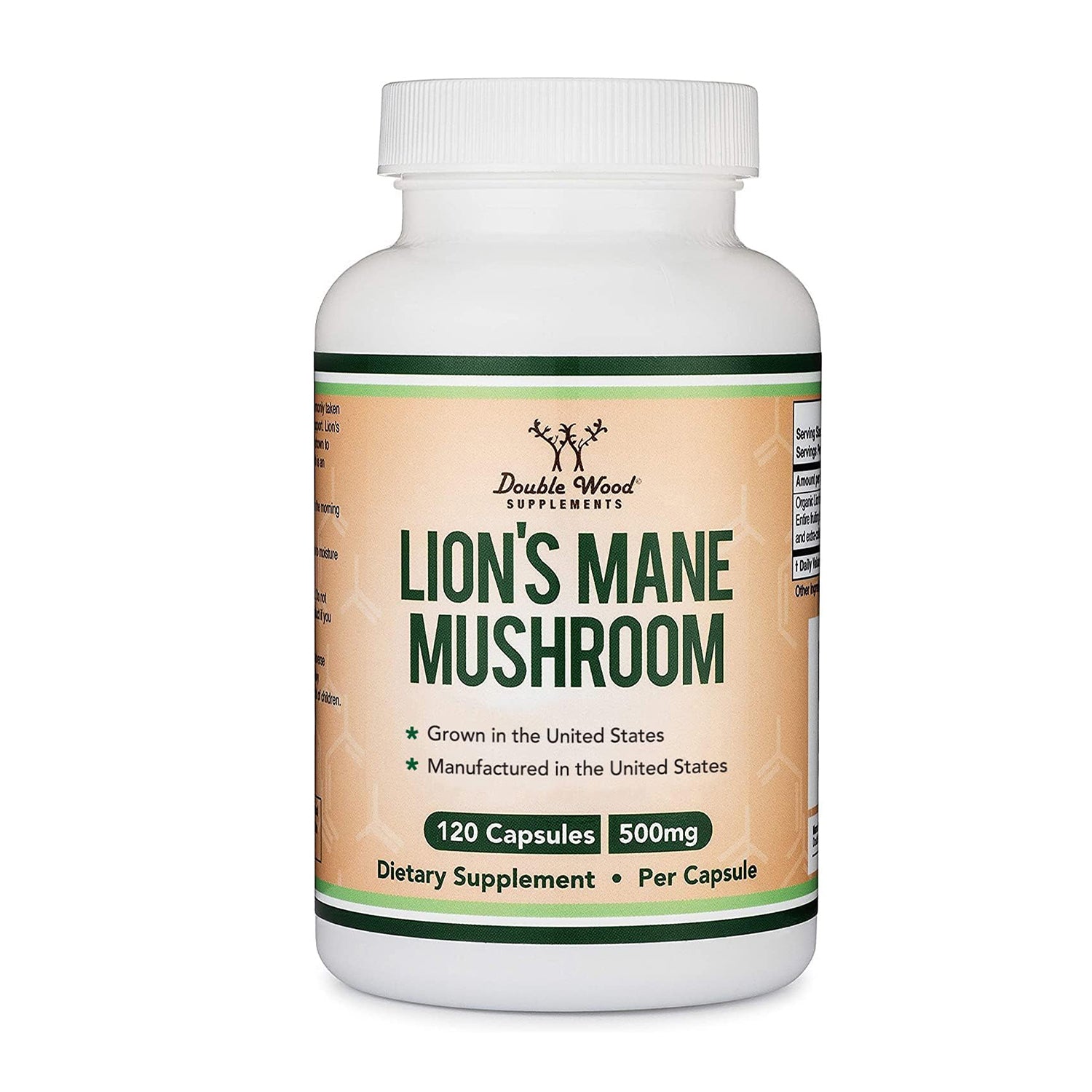
Lion's Mane Mushroom 1000mg
Lion's Mane (Hericium erinaceus) is a medicinal mushroom with preliminary evidence for nerve growth factor stimulation. Double Wood offers 1000mg per serving at a reasonable price. The science is genuinely promising for neuroprotection, but the hype has outpaced the human clinical evidence — most studies are in vitro or in animal models.
Solid Choice$20.00
$0.33/dose
Hype penalty: -2 pts
68
#99
DoNotAgeLongevity & Anti-Aging
NMN 500mg
A UK-based longevity brand offering NMN at a more competitive price point than US alternatives. DoNotAge positions itself as a science-first company and provides third-party testing, though it is a newer brand with less track record than established players.
Solid Choice$40.00
$1.33/dose
68
#100
TimelineLongevity & Anti-Aging
Mitopure (Urolithin A)
Mitopure is a patented form of urolithin A, a postbiotic compound that activates mitophagy (the recycling of damaged mitochondria). Timeline is a Swiss biotech spin-off from EPFL with legitimate research credentials. The science is emerging but intriguing — urolithin A is one of the more novel approaches in the longevity space.
Solid Choice$65.00
$2.17/dose
67
#101
RysePre-Workout
Loaded Pre-Workout
Licensed candy flavors (Ring Pop, SunnyD) make it fun. The formula is decent -- not great, not bad. Some clinical doses hit, some missed. You are paying a flavor licensing premium.
Solid Choice$39.99
$1.33/doseTrue cost: $2.66/dose
Hype penalty: -7 pts
66
#102

NutrafolHair Growth
Women's Hair Growth Supplement
Dermatologist-marketed women's hair supplement with saw palmetto, ashwagandha, and marine collagen. Has published clinical trials showing modest improvements, but at $79/month the value is poor. Results take 6+ months and are subtle. Topical minoxidil is cheaper and more effective.
Overhyped$79.00
$2.63/doseTrue cost: $7.89/dose
Hype penalty: -10 pts
66
#103

Liquid IVElectrolytes
Hydration Multiplier
Massively marketed, modestly formulated. Claims 'cellular transport technology' but it is standard ORS science repackaged with premium branding and 11g of sugar per serving.
Overhyped$24.99
$1.56/dose
Hype penalty: -10 pts
65
#104

Nature MadeIron
Iron 65mg
Ultra-cheap ferrous sulfate at therapeutic doses. Effective for iron repletion but the ferrous sulfate form causes significantly more GI side effects (constipation, nausea, cramping). USP-verified. Best for those who tolerate ferrous sulfate well and want maximum value.
Solid Choice$6.99
$0.04/dose
65
#105

Garden of LifeCollagen
Grass Fed Collagen Beauty
Garden of Life targets the beauty-from-within market with collagen peptides plus biotin, silica, and vitamin C. The added ingredients support the collagen narrative but the evidence for meaningful skin transformation from oral supplements remains modest. Premium pricing for a 20-serving container limits value.
Solid Choice$32.00
$1.60/doseTrue cost: $4.00/dose
65
#106
NovosLongevity & Anti-Aging
Novos Core
A 12-ingredient longevity stack that tries to hit every hallmark of aging in one product. Novos positions itself as the 'all-in-one longevity supplement' with ingredients targeting NAD+, senescence, mitochondrial function, epigenetic aging, and more. Ambitious in scope but thin on evidence for the specific combination and doses used.
Overhyped$75.00
$2.50/doseTrue cost: $7.50/dose
Hype penalty: -6 pts
65
#107

Nature MadeOmega-3
Fish Oil 1200mg
The Costco aisle staple. Cheap and USP verified, but only 360mg EPA/DHA per softgel in ethyl ester form. You would need 3-4 softgels to match one serving of Nordic Naturals.
Solid Choice$11.99
$0.12/doseTrue cost: $0.36/dose
64
#108
NutrafolHair & Skin
Men's Hair Growth Supplement
Dermatologist-recommended but at $79/month with modest evidence. Contains saw palmetto, biotin, and ashwagandha. Some clinical data exists, but the results are underwhelming for the price. Minoxidil is cheaper and stronger.
Overhyped$79.00
$2.63/doseTrue cost: $7.89/dose
Hype penalty: -10 pts
64
#109

ViviscalHair Growth
Women's Hair Growth Supplements
The most clinically studied hair growth supplement. AminoMar marine complex has multiple published RCTs showing statistically significant but modest improvements in hair count and thickness over 3-6 months. Better evidence than Nutrafol and half the price, but still modest results for the cost.
Solid Choice$39.99
$1.33/doseTrue cost: $3.33/dose
Hype penalty: -6 pts
64
#110
Oxford HealthspanLongevity & Anti-Aging
Primeadine Spermidine
Spermidine is a naturally occurring polyamine that induces autophagy — the cellular self-cleaning process. Oxford Healthspan's Primeadine is a wheat germ-derived spermidine supplement positioned as a longevity essential. Epidemiological data links dietary spermidine to reduced mortality, but supplementation trials are very limited.
Overhyped$60.00
$2.00/dose
Hype penalty: -4 pts
64
#111

MuscleTechCreatine
Cell-Tech Creatine
Creatine works. But MuscleTech wraps 5g of it in 38g of sugar and charges 6x more per serving. The marketing outpaces the formula.
Overhyped$34.99
$1.25/doseTrue cost: $3.13/dose
Hype penalty: -8 pts
62
#112
NatrolSleep
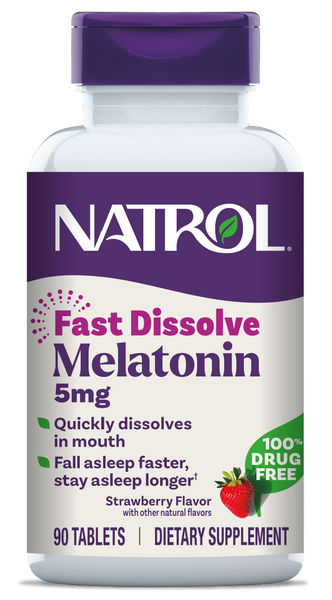
Melatonin 5mg Time Release
Melatonin works for jet lag and shift work. But 5mg is 10x the physiologically relevant dose, and chronic use can suppress natural production. Overprescribed and underdiscussed.
Overhyped$8.99
$0.09/doseTrue cost: $0.27/dose
Hype penalty: -2 pts
62
#113
Sports ResearchCollagen
Collagen Peptides
Same collagen science limitations as Vital Proteins, but at a significantly better price. If you are going to try collagen, this is the smarter value play.
Evidence Weak$29.99
$0.73/dose
Hype penalty: -6 pts
62
#114

ViviscalHair & Skin
Hair Growth Supplements for Women
More clinical trials than any hair supplement competitor. The proprietary AminoMar marine complex has genuine published data. Results are modest but real. Still expensive relative to the effect size.
Solid Choice$39.99
$1.33/doseTrue cost: $3.33/dose
Hype penalty: -6 pts
62
#115
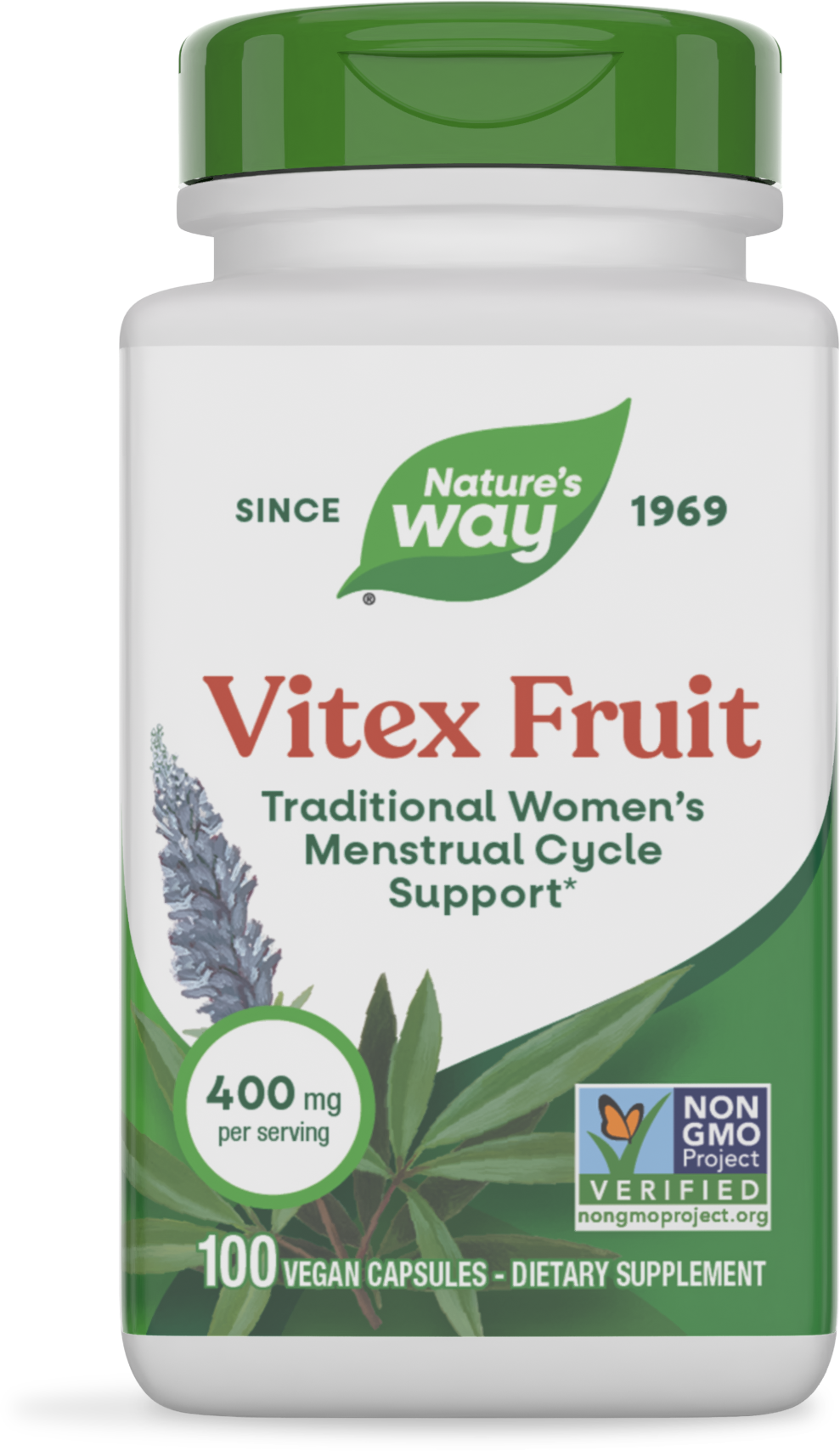
Nature's WayHormonal Balance
Vitex (Chasteberry) 400mg
The most studied herbal supplement for PMS and cycle regulation. Vitex agnus-castus has moderate evidence for reducing PMS symptoms (breast tenderness, mood, bloating) and may help with luteal phase defects. The evidence is better than most hormonal supplements but still limited by small study sizes.
Solid Choice$11.99
$0.12/dose
Hype penalty: -3 pts
62
#116

YoutheoryCollagen
Collagen Advanced
A budget collagen supplement with Types 1, 2, and 3 collagen plus Vitamin C. Affordable, but the multi-type collagen marketing overstates the science. Your body breaks collagen into amino acids regardless of 'type' — the numbering is mostly marketing.
Overhyped$18.99
$0.47/dose
Hype penalty: -6 pts
62
#117
ProHealthLongevity & Anti-Aging
Fisetin 500mg
Fisetin is a flavonoid found in strawberries and apples that has emerged as a potent senolytic compound in preclinical research — meaning it selectively kills senescent ('zombie') cells. Yousefzadeh et al. (2018) showed fisetin was the most potent senolytic among 10 flavonoids tested in mice. However, no human clinical trial results for fisetin as a senolytic have been published yet.
Evidence Weak$35.00
$0.58/doseTrue cost: $1.74/dose
62
#118
Athletic GreensGreens
AG1
The most marketed supplement on the internet. Contains real ingredients but at doses that rarely match clinical evidence. You're paying for branding, not breakthroughs.
Overhyped$79.00
$2.63/doseTrue cost: $6.58/dose
Hype penalty: -18 pts
61
#119
Drunk ElephantBeauty & Skin
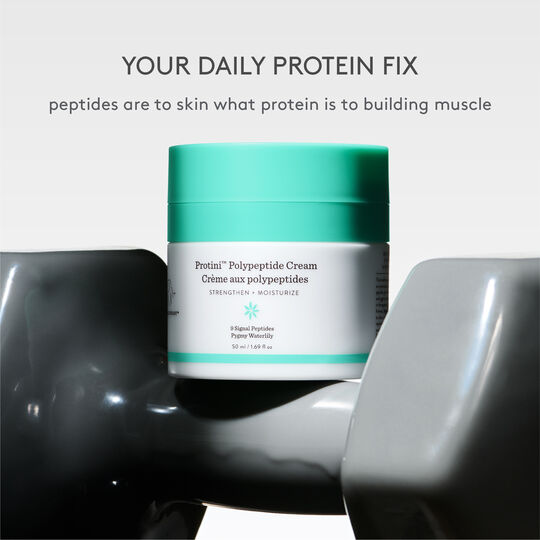
Protini Polypeptide Cream
Beautiful packaging, excellent texture, mediocre evidence. Contains signal peptides and growth factors that have theoretical anti-aging mechanisms but minimal published clinical trial data at the concentrations used. At $68, you are paying for branding, not science.
Overhyped$68.00
$1.13/doseTrue cost: $3.39/dose
Hype penalty: -12 pts
61
#120
Double Wood SupplementsLongevity & Anti-Aging
Alpha-Ketoglutarate (AKG)
Alpha-ketoglutarate (AKG) is a Krebs cycle intermediate that has shown lifespan extension in mice and emerged as a longevity supplement candidate. Ames et al. (2021) showed calcium AKG extended healthspan and compressed morbidity in mice. In humans, a small study suggested AKG supplementation might reduce biological age markers. Double Wood offers AKG at an excellent price, but the human evidence is still very early.
Evidence Weak$25.00
$0.21/dose
61
#121
Nature MadeMagnesium
Magnesium Oxide 400mg
The cheapest option, but you get what you pay for. Magnesium oxide has the worst bioavailability of any common form -- only 4% is absorbed. The 400mg label dose is misleading.
Evidence Weak$7.99
$0.05/doseTrue cost: $0.15/dose
60
#122

Garden of LifeCollagen
Grass Fed Collagen Peptides
A cleaner collagen option with NSF Certified for Sport and added probiotics. Still limited by the fundamental evidence weakness of all collagen supplements, but at least the quality assurance is real.
Evidence Weak$29.99
$1.07/dose
Hype penalty: -4 pts
60
#123
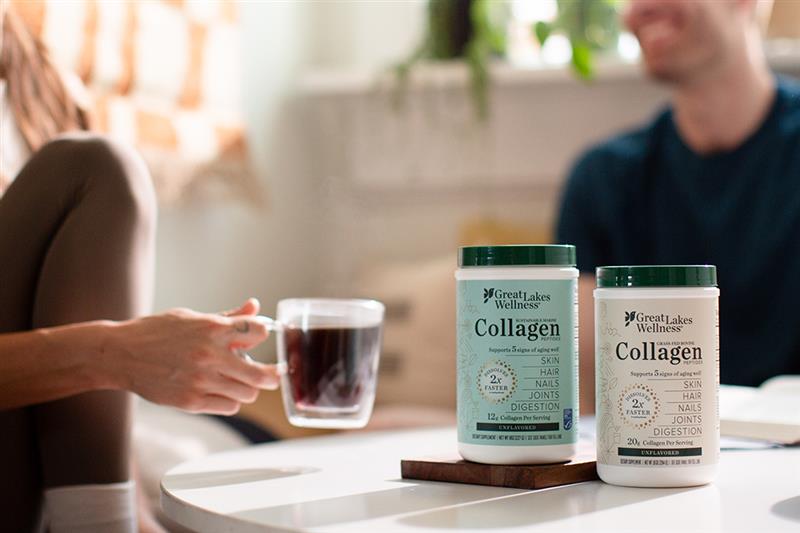
Great LakesCollagen
Collagen Hydrolysate
A legacy collagen brand with loyal following. The product is fine, but the evidence basis is the same weak foundation as all collagen supplements. Mid-tier pricing with no standout advantage.
Evidence Weak$35.99
$0.95/dose
Hype penalty: -4 pts
59
#124
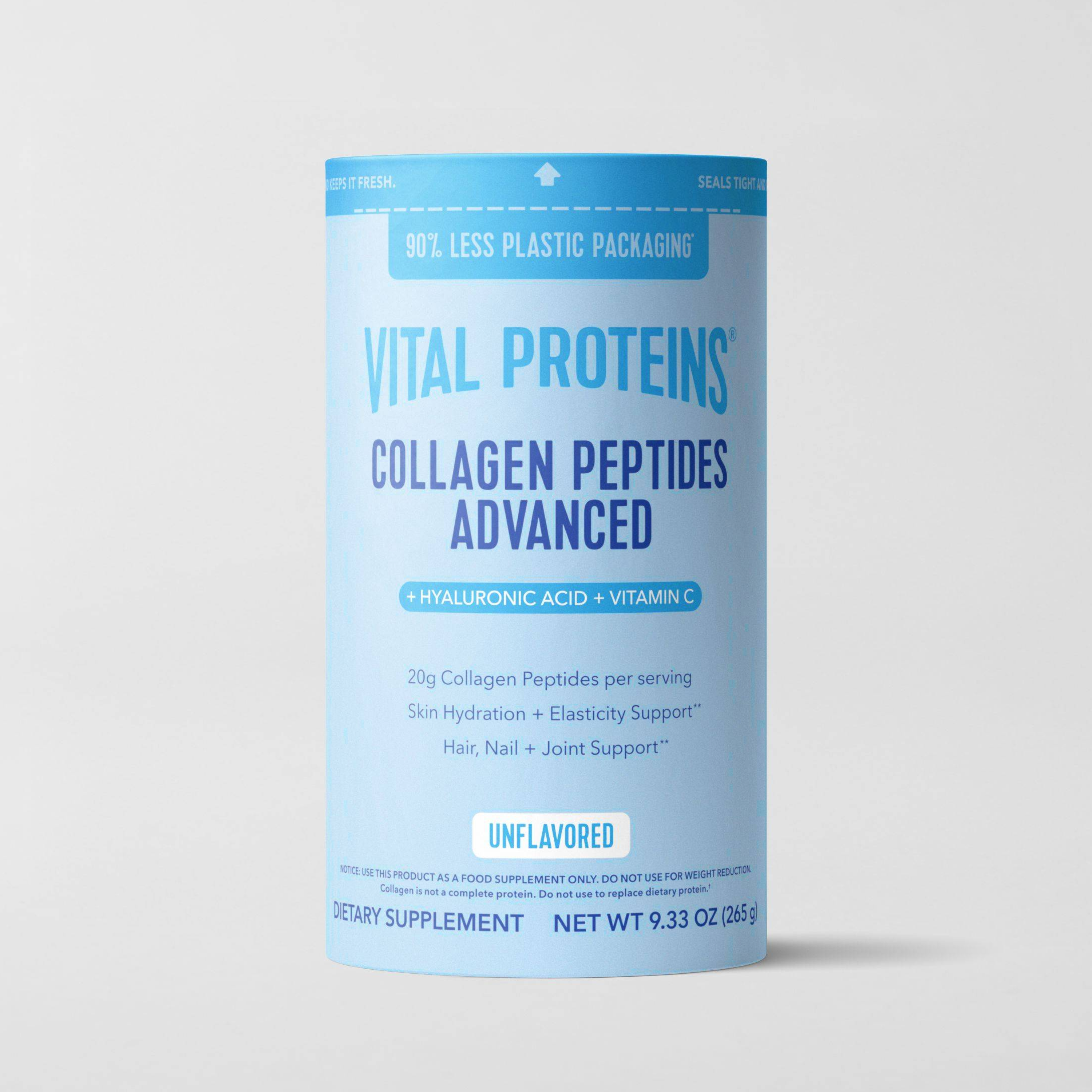
Vital ProteinsCollagen
Original Collagen Peptides
Massively popular but evidence does not match the marketing. Some skin elasticity data exists, but claims about joint health and 'anti-aging' outpace the science significantly.
Evidence Weak$47.00
$1.68/doseTrue cost: $4.20/dose
Hype penalty: -14 pts
58
#125
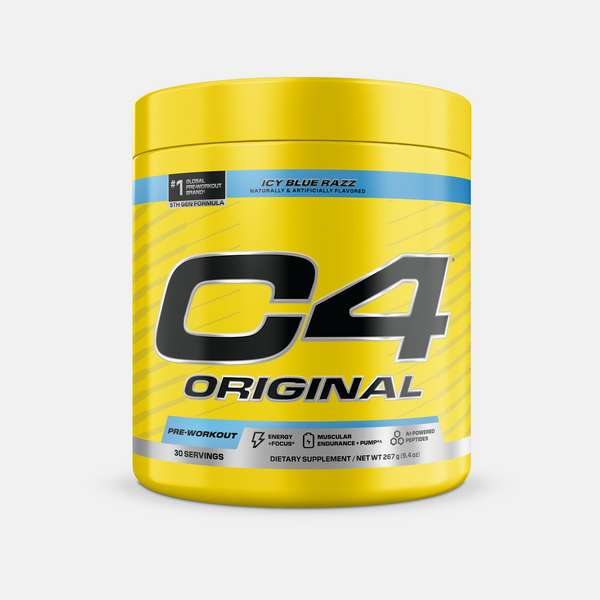
CellucorPre-Workout
C4 Original Pre-Workout
The best-selling pre-workout in America -- but best-selling does not mean best-formulated. Key ingredients are underdosed, and the proprietary Explosive Energy Blend hides the stimulant profile.
Overhyped$29.99
$1.00/doseTrue cost: $3.00/dose
Hype penalty: -8 pts
58
#126

Smoky Mountain NutritionHormonal Balance
DIM (Diindolylmethane) 200mg
DIM (from cruciferous vegetables) is marketed as an estrogen modulator, but the clinical evidence is extremely preliminary. Most data comes from in-vitro studies and small pilot trials. The 'estrogen detox' and 'hormone balancing' claims vastly overstate the current science.
Evidence Weak$21.99
$0.37/dose
Hype penalty: -6 pts
58
#127

Move FreeBone & Joint
Advanced Joint Health
Move Free Advanced is heavily marketed on TV and in pharmacies as a premium joint supplement, but its formulation contains underdosed glucosamine (750mg vs. the 1500mg clinical dose) along with proprietary blend additives. The marketing budget appears to exceed the formulation budget — a classic case of hype over substance.
Overhyped$25.00
$0.63/doseTrue cost: $1.89/dose
Hype penalty: -6 pts
58
#128
Life ExtensionLongevity & Anti-Aging
Optimized Resveratrol
Resveratrol was once the darling of the anti-aging world, propelled by David Sinclair's high-profile research on sirtuins and red wine compounds. Life Extension's formulation combines trans-resveratrol with quercetin and other polyphenols. The reality: resveratrol has poor bioavailability in humans, the Sinclair-linked company (Sirtris) was acquired by GSK for $720M and then shuttered, and human clinical trials have been largely disappointing.
Overhyped$24.00
$0.40/doseTrue cost: $1.20/dose
Hype penalty: -8 pts
58
#129

OrgainCollagen
Collagen Peptides
A clean-label collagen option with 20g peptides and added hyaluronic acid and vitamin C. The collagen evidence gaps apply, but at least Orgain keeps the formula transparent and avoids pseudoscience.
Evidence Weak$23.99
$0.96/doseTrue cost: $2.40/dose
Hype penalty: -3 pts
57
#130

Nature's BountySleep
Sleep3 Triple Action
Three-layer timed-release tablet combining melatonin, L-Theanine, and nighttime herbs. The timed-release tech is proprietary with limited evidence, and the 10mg melatonin is irresponsibly overdosed.
Overhyped$14.99
$0.25/doseTrue cost: $0.63/dose
Hype penalty: -4 pts
56
#131

Natural VitalityMagnesium
Calm Magnesium Gummies
The gummy format is appealing but delivers only 83mg magnesium citrate per serving -- well below therapeutic doses. You would need 5 servings to match a single capsule of NOW Glycinate. Form over function.
Overhyped$16.99
$0.57/doseTrue cost: $1.71/dose
Hype penalty: -5 pts
55
#132

Nature MadeHormonal Balance
Evening Primrose Oil 1300mg
Widely used for PMS and menopause symptoms but clinical evidence is disappointing. Systematic reviews find no significant benefit over placebo for cyclical breast pain or PMS. The GLA (gamma-linolenic acid) mechanism is biologically plausible but the clinical data does not support the traditional use.
Evidence Weak$14.99
$0.25/doseTrue cost: $0.63/dose
Hype penalty: -5 pts
55
#133

Amazing GrassGreens
Green Superfood Original
Amazing Grass pioneered the greens powder category and remains one of the best-selling options. However, its proprietary blend hides the individual ingredient doses, making it impossible to verify whether any component is at a meaningful amount. The 'superfood' marketing is textbook hype — there is no scientific definition of a superfood.
Overhyped$22.00
$0.73/doseTrue cost: $2.19/dose
Hype penalty: -8 pts
55
#134
OnnitNootropics
Alpha Brain
One of the original nootropic stacks, backed by two small company-funded studies. Proprietary blends hide doses of everything interesting. The Joe Rogan premium is real.
Overhyped$79.99
$1.78/doseTrue cost: $5.34/dose
Hype penalty: -12 pts
52
#135

Ancient NutritionCollagen
Multi Collagen Protein
Claims to provide 10 types of collagen from 5 sources. The 'type diversity' marketing sounds scientific but has no clinical backing. Multiple collagen types do not equal better outcomes than a single type.
Overhyped$44.99
$1.00/doseTrue cost: $2.50/dose
Hype penalty: -12 pts
50
#136

OllySleep
Sleep Gummies
Cute packaging, concerning formula. 3mg melatonin (6x the effective dose) plus underdosed L-Theanine and botanicals. The aesthetic branding masks a poorly formulated product.
Overhyped$13.99
$0.56/doseTrue cost: $1.68/dose
Hype penalty: -8 pts
48
#137
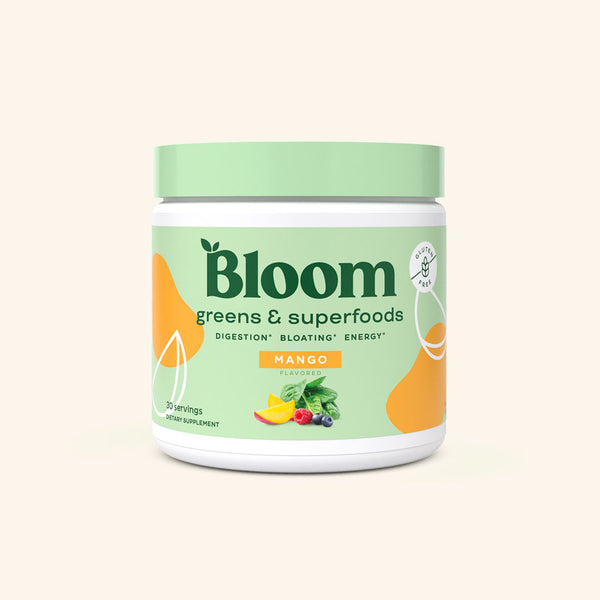
Bloom NutritionGreens
Greens & Superfoods
TikTok's favorite greens powder. The aesthetic marketing is phenomenal, but the formula is a proprietary blend with unknown doses of nearly everything. Style over substance.
Overhyped$39.99
$1.33/doseTrue cost: $3.99/dose
Hype penalty: -20 pts
45
#138

Gorilla MindNootropics
Turkesterone
The supplement industry's latest 'natural anabolic' hype cycle. Turkesterone has almost no human evidence. Animal studies used different forms at massive doses. Save your money.
Evidence Weak$49.99
$1.67/doseTrue cost: $5.01/dose
Hype penalty: -15 pts
42
#139

Nature's BountyHair & Skin
Biotin 10,000mcg
The most overhyped hair supplement in America. Biotin only helps if you are deficient -- which is extremely rare. 10,000mcg is 333x the adequate intake with no added benefit. The entire biotin-for-hair market is built on a myth.
Overhyped$10.99
$0.09/dose
Hype penalty: -8 pts
42
#140

NOW FoodsHair Growth
Biotin 10,000mcg
The most overhyped supplement in the hair category. Biotin deficiency is extremely rare in healthy adults, and supplementation in non-deficient individuals has zero clinical evidence for hair growth. The $4 billion biotin market is built almost entirely on social media hype, not science.
Evidence Weak$9.99
$0.08/dose
Hype penalty: -15 pts
42
#141

Barlowe's Herbal ElixirsTestosterone & Performance
Fadogia Agrestis Extract
Popularized by the Huberman podcast, but the evidence is almost nonexistent. One rat study showed testosterone increases -- along with concerning testicular toxicity markers. The risk/reward is terrible.
Evidence Weak$25.99
$0.43/doseTrue cost: $1.29/dose
Hype penalty: -12 pts
38