Loading
Double Wood Supplements
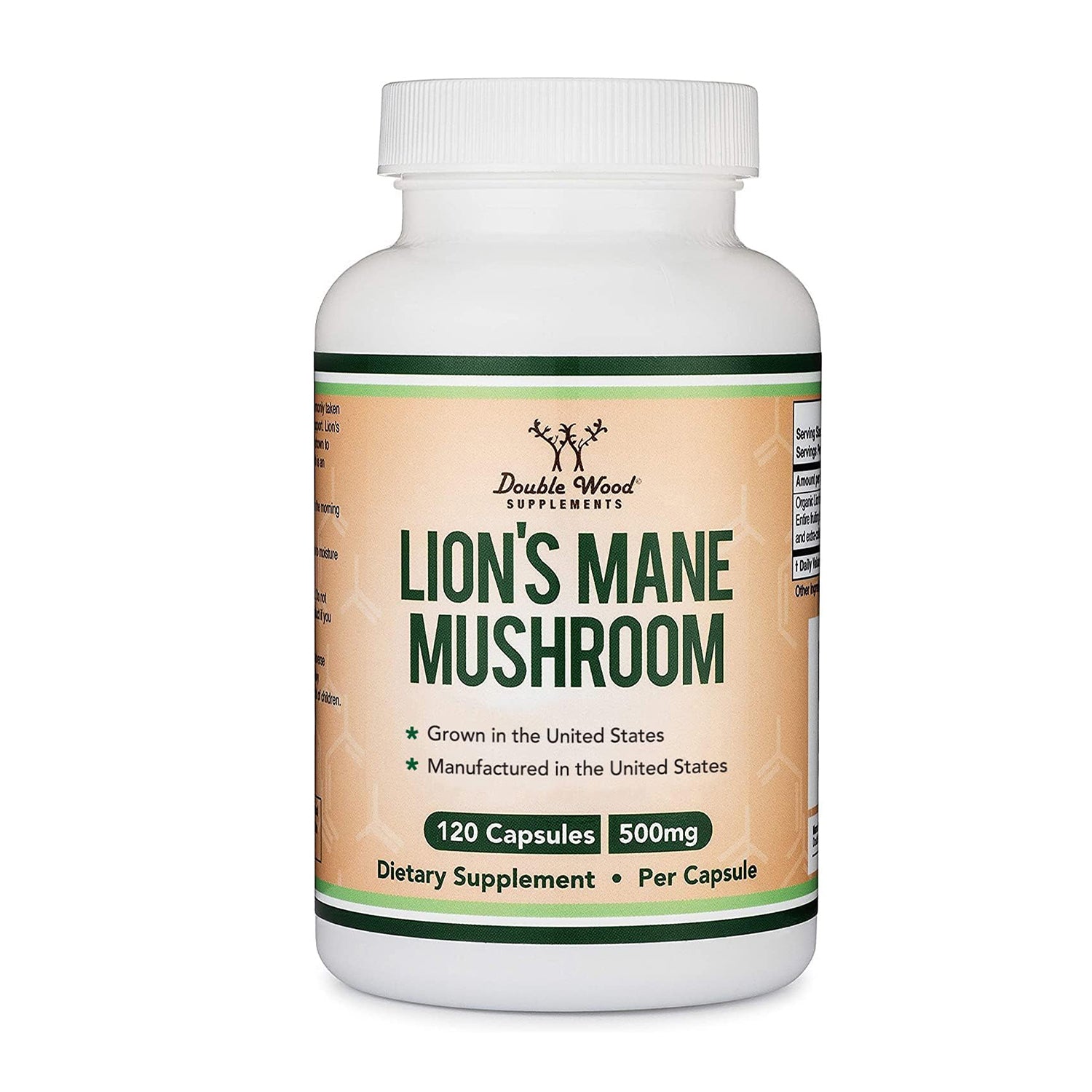
Lion's Mane Mushroom 1000mg
Lion's Mane (Hericium erinaceus) is a medicinal mushroom with preliminary evidence for nerve growth factor stimulation. Double Wood offers 1000mg per serving at a reasonable price. The science is genuinely promising for neuroprotection, but the hype has outpaced the human clinical evidence — most studies are in vitro or in animal models.
68/ 100
Our Verdict
Solid Choice
Double Wood Lion's Mane scores 68 with a minor hype penalty of 2. The evidence for NGF stimulation is genuinely interesting, and the Mori et al. (2009) RCT is a legitimate positive result. However, the hype penalty reflects that the nootropics community has elevated Lion's Mane to near-miracle status based on limited human data. Most people buying this are healthy young adults, not the elderly population where evidence exists. Double Wood is a mid-tier brand — decent quality but without the rigorous COA publishing of premium brands.
Key Findings
- Contains hericenones and erinacines that stimulate NGF synthesis — mostly demonstrated in vitro
- Mori et al. (2009) RCT showed cognitive improvement in elderly with mild cognitive impairment at 3g/day
- Minor hype penalty (2) — nootropics community has overhyped Lion's Mane beyond current evidence
- 1000mg per serving may require 2-3 capsules daily to reach clinically studied doses
- Does not specify fruiting body vs. mycelium sourcing or hericenone standardization
Evidence Analysis
Lion's Mane contains hericenones and erinacines, which stimulate nerve growth factor (NGF) synthesis in vitro. Mori et al. (2009, Phytotherapy Research) conducted a double-blind RCT showing 3g/day Lion's Mane improved cognitive function in Japanese adults aged 50-80 with mild cognitive impairment over 16 weeks. Saitsu et al. (2019) found Lion's Mane supplementation improved cognitive test scores in healthy elderly. Li et al. (2018) demonstrated neuroprotective effects in animal models of Alzheimer's. However, the human evidence is limited to small trials (n=30-50) primarily in elderly Japanese populations. For healthy young adults, there are no well-designed RCTs showing cognitive enhancement. The NGF-stimulation mechanism is compelling but mostly demonstrated in cell cultures and animal models, not confirmed in human brain tissue.
Ingredient Breakdown
| Ingredient | Dose | Verdict |
|---|---|---|
| Lion's Mane Mushroom Extract (Hericium erinaceus) | 1000mg | Adequate |
True Cost Analysis
Properly Dosed -- What You Pay Is What You Get
Listed Price
$0.33/serving
$9.90/month at 1 serving/day
True Cost Per Effective Dose
$0.33/effective dose
$9.90/month for effective dosing
73
Value Score
Decent value
Where It Falls Short
Most positive evidence is from small studies in elderly Japanese populations with existing cognitive decline — not generalizable to healthy young adults. The 1000mg dose may be insufficient — the Mori et al. (2009) study used 3000mg/day (3 capsules daily required). Does not specify whether the extract is from fruiting body or mycelium — fruiting body contains higher hericenone levels. Beta-glucan and hericenone/erinacine content is not standardized on the label. Double Wood does not publish COAs publicly, limiting transparency verification.
Best For
- Older adults interested in neuroprotection and cognitive maintenance
- People who want to try Lion's Mane at a reasonable price before committing to premium brands
- Those interested in NGF-stimulating compounds based on emerging research
- Supplementation enthusiasts building a nootropic stack on a budget
Not Ideal For
- Healthy young adults expecting noticeable cognitive enhancement (evidence does not support this)
- Those who want standardized hericenone/erinacine content (not specified on label)
- People who require published COAs for verification (Double Wood does not publish these)
- Anyone allergic to mushrooms or with mushroom sensitivities
Solid Choice
Solid Choice
Hype Penalty: -2 pts
Evidence
62Safety
82Value
74Formulation
65Transparency
64Checking live scoring engine...
$20.0060 servings
$0.33 per servingBiorank may earn a commission from qualifying purchases. This does not influence our scores or rankings.
Higher-Scored Alternatives
Better-rated options in Nootropics
Frequently Bought Together
Popular picks in Nootropics