Loading
RankingsElectrolytes
Electrolytes
Hydration done right. Sodium, potassium, magnesium ratios that actually match the science.
19 products rankedTop score: 82
#1
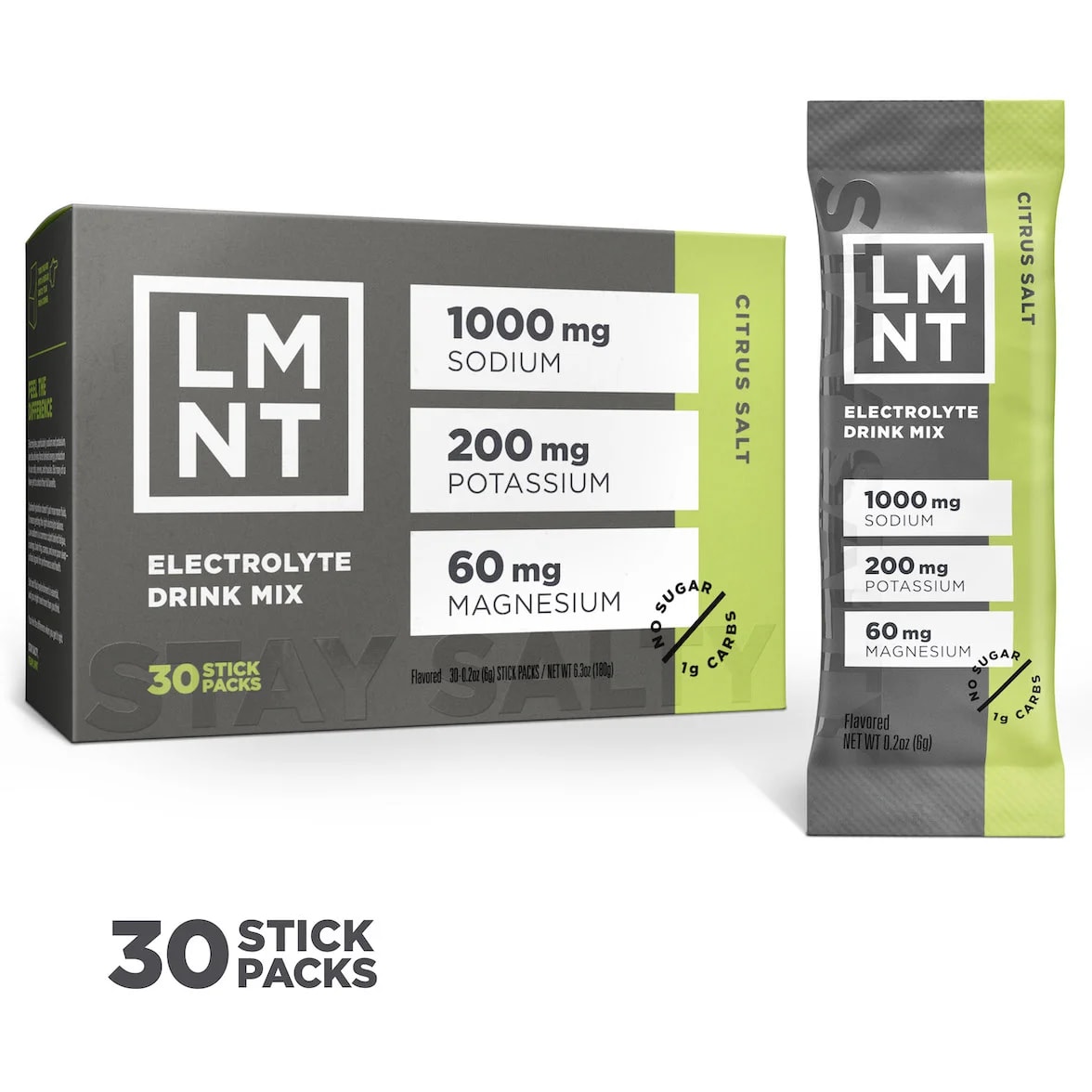
LMNTElectrolytes
Electrolyte Mix
Sodium-forward electrolyte mix that gets the ratios largely right. Good for active people and low-carb diets. Slightly overhyped through influencer marketing.
Worth Buying$45.00
$1.50/doseTrue cost: $3.75/dose
Hype penalty: -5 pts
82
#2
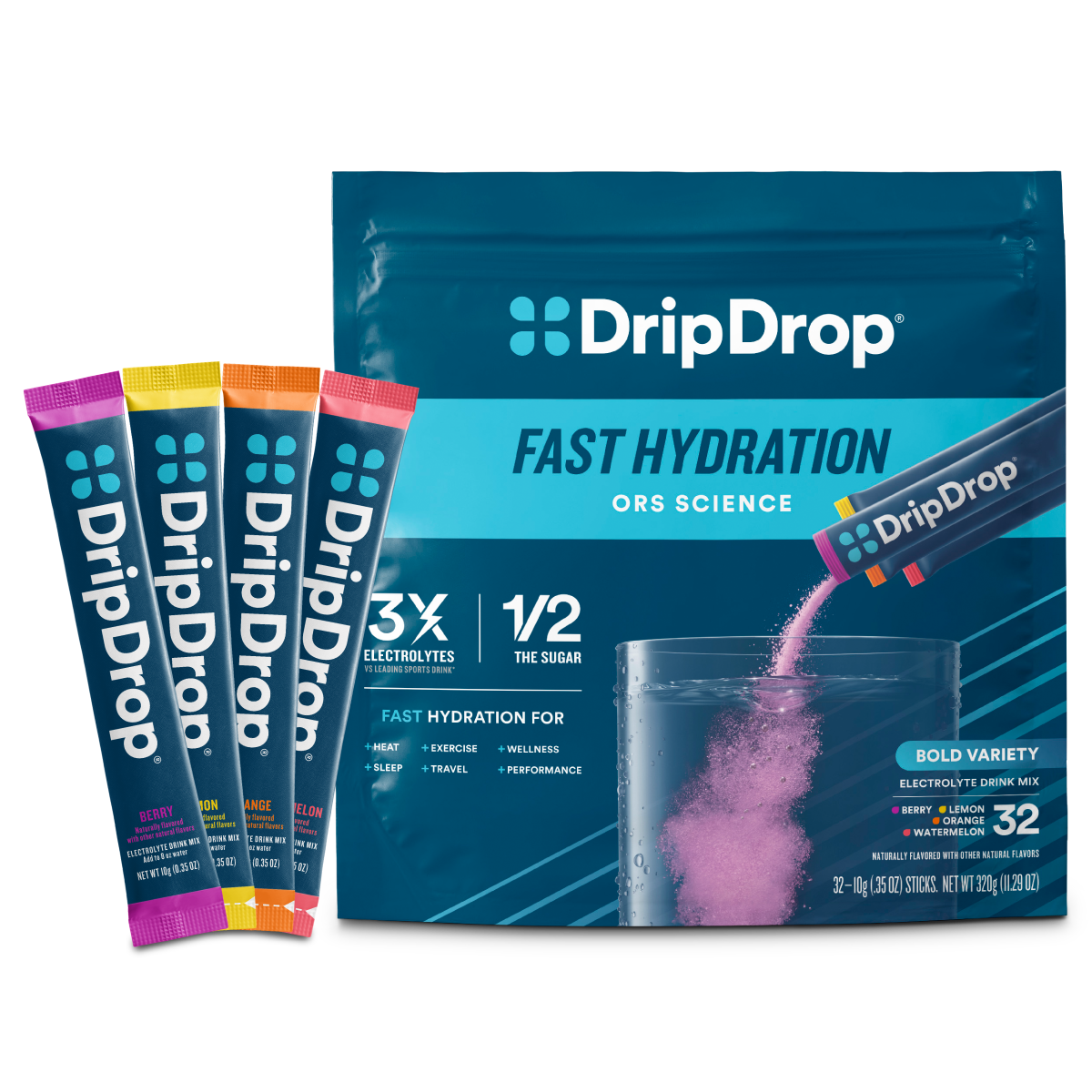
DripDropElectrolytes
ORS Electrolyte Powder
Developed by a doctor based on WHO oral rehydration science. Clinical evidence for actual dehydration scenarios. Contains sugar, but that is the point -- glucose aids sodium absorption.
Worth Buying$21.99
$0.69/doseTrue cost: $1.38/dose
Hype penalty: -1 pts
80
#3

PedialyteElectrolytes
Electrolyte Powder Packets
Developed for pediatric dehydration with clinical-grade ORS formulation. The strongest evidence base in the category for actual rehydration. But the adult hangover marketing has inflated the price.
Solid Choice$11.99
$2.00/dose
Hype penalty: -3 pts
76
#4
DripDropElectrolytes
Oral Rehydration Solution
DripDrop was developed by a doctor on the WHO oral rehydration therapy model but reformulated for better taste. It uses the science of sodium-glucose co-transport to maximize water absorption in the small intestine. More effective than sports drinks for actual dehydration, though overkill for casual hydration during light exercise.
Worth Buying$22.00
$1.38/dose
76
#5
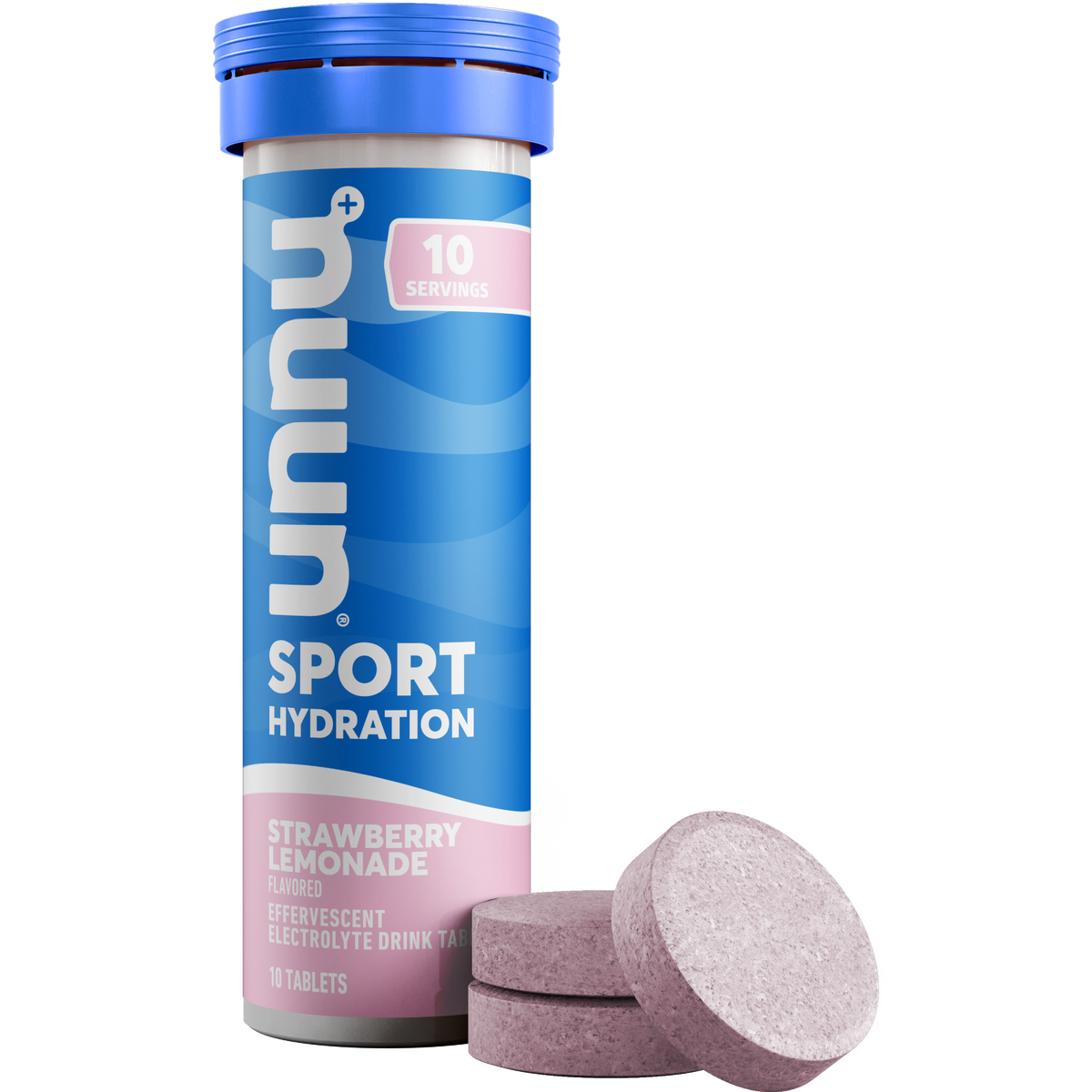
NuunElectrolytes
Sport Electrolyte Tablets
Convenient effervescent tablets with a balanced electrolyte profile. Low calorie and portable. The sodium content is lower than athlete-focused products, suited for moderate activity.
Solid Choice$7.99
$0.80/doseTrue cost: $2.40/dose
Hype penalty: -2 pts
72
#6
NuunElectrolytes
Sport Electrolyte Tablets
Effervescent electrolyte tablets that dissolve in water, providing sodium, potassium, magnesium, and calcium with only 1g of sugar. Nuun is popular among runners and cyclists for its convenience and clean ingredient profile. The electrolyte doses are moderate — suitable for casual to moderate exercise but insufficient for extreme endurance events.
Solid Choice$7.00
$0.70/doseTrue cost: $1.75/dose
71
#7

Ultima ReplenisherElectrolytes
Electrolyte Mix
Clean-label electrolyte mix with zero sugar, zero calories, and plant-based colors. The 6-electrolyte profile is broader than most, but sodium content is too low for serious athletic use.
Solid Choice$21.99
$0.73/doseTrue cost: $2.19/dose
Hype penalty: -3 pts
68
#8

Liquid IVElectrolytes
Hydration Multiplier
Massively marketed, modestly formulated. Claims 'cellular transport technology' but it is standard ORS science repackaged with premium branding and 11g of sugar per serving.
Overhyped$24.99
$1.56/dose
Hype penalty: -10 pts
65